
Fragrant garlic
Allium suaveolens
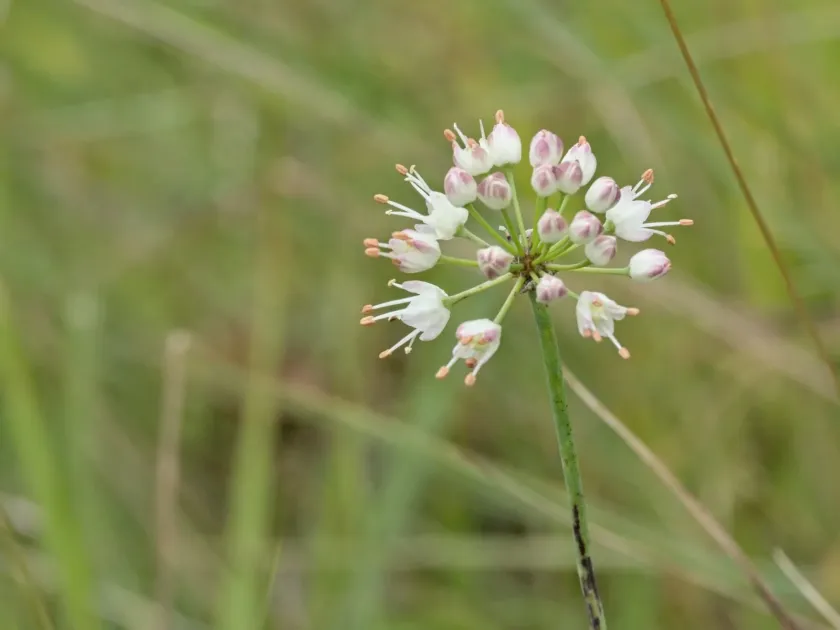
Description
Sowing dates
Sowing of fragrant garlic seeds is preferably done in early spring as soon as the soil warms up to 5–8 degrees Celsius. Autumn sowing in late October is also possible, allowing seeds to undergo natural stratification and emerge promptly after snowmelt.
When using the seedling method, seeds are sown in trays in February or March, maintaining a temperature of approximately 18–20 degrees. Transplanting seedlings into open ground is carried out at the stage of three true leaves.
The sowing pattern should account for the perennial nature of the plant, with a spacing of 30–40 centimeters between rows. This ensures proper root development and prevents overcrowded plantings.
The sowing depth is 1.5–2 centimeters. Planting deeper can significantly reduce germination rates, as the seedlings of this crop are quite thin and delicate during the initial growth stage.
A crucial condition for successful sowing is soil preparation: it should be loose, moisture-retentive, and weed-free, as fragrant garlic grows extremely slowly during its first year of life.
Growing requirements
The crop belongs to the Amaryllidaceae family and prefers well-lit areas, although it tolerates light shade. Direct sunlight encourages the accumulation of essential oils, which give the leaves their characteristic garlic-like aroma.
The plant is moderately demanding regarding soil conditions. Light loamy or sandy soils with a neutral or slightly acidic pH are optimal. Waterlogging must be avoided, as it triggers root system decay.
Fragrant garlic is characterized by high winter hardiness, typical of species found in temperate latitudes. Mature plants are capable of surviving harsh winters without extra cover, provided there is a stable snow layer.
Agrotechnology includes regular loosening of rows after each irrigation or rain to ensure oxygen access to the roots. Weeds should be removed promptly to prevent them from suppressing the crop in its early stages.
Fertilization is carried out in spring using complex mineral fertilizers with high nitrogen content to stimulate vegetative growth. Mid-summer application of phosphorus-potassium compounds is recommended for plant dormancy preparation.
Yield
Yield depends on the age of the plantation, with the most active green mass growth observed in the second and third years of life. During the first season, harvesting is done selectively to avoid weakening young plants.
With intensive care, one square meter can yield up to 2–3 kilograms of marketable greens per season. Harvesting is conducted in several stages as new leaves grow, allowing for prolonged product consumption.
The leaves of fragrant garlic have a dense structure and do not harden quickly, which significantly improves the quality of the product. This distinguishes it from many other common onion varieties that lose their tenderness rapidly.
The plant possesses high regeneration capacity after harvesting. Under favorable conditions (regular watering and feeding), up to three full harvesting cycles can be completed during the growing season.
Storage of the harvested crop is possible in a fresh state in the refrigerator for 10–14 days. The greens are also excellent for freezing and drying, processes that preserve most of the aromatic compounds and vitamins.
Main diseases and pests
The main threat to the crop is the onion fly, which can damage both young seedlings and mature plants. Preventive measures include the use of insecticides or deterrents based on tobacco dust.
In conditions of excessive moisture and overcrowded plantings, plants may be affected by fungal diseases such as downy mildew. Symptoms include white mold and yellowing of the leaf tips.
Onion rust occurs less frequently but requires immediate removal of affected areas. To prevent spore spread, it is recommended to follow strict crop rotation and avoid soil over-saturation.
Aphids can cause damage during dry periods by sucking sap from young leaves. Biopreparations based on wormwood or garlic extracts are effective and safe for edible greens.
Disease prevention consists of high-quality seed preparation and maintaining an optimal nutrition level, which boosts the plant's immunity to environmental stress factors.
Harvesting
The first harvest of greens begins when the leaves reach a height of 20–25 centimeters. It is important to leave the base of the plant untouched to avoid damaging the growth point and ensure further regrowth.
Harvesting is done with a sharp knife or sickle during morning hours when the leaves are most turgid. The harvested greens should be placed in the shade immediately to prevent wilting and tip yellowing from sun exposure.
Culinary uses include both leaves and flower scapes while they are still in the budding stage. They possess a spicy flavor and are widely used in Asian cuisine for marinades and salads.
It is important to stop leaf harvesting 4–5 weeks before the onset of persistent frosts. This allows the plant to accumulate sufficient nutrients in the rhizome for successful wintering.
Perennial plantation maintenance requires annual removal of dead residues in late autumn. This helps prevent the accumulation of pathogens and pests within old plant material.