
Scorzonera-leaved onion
Allium scorzonerifolium
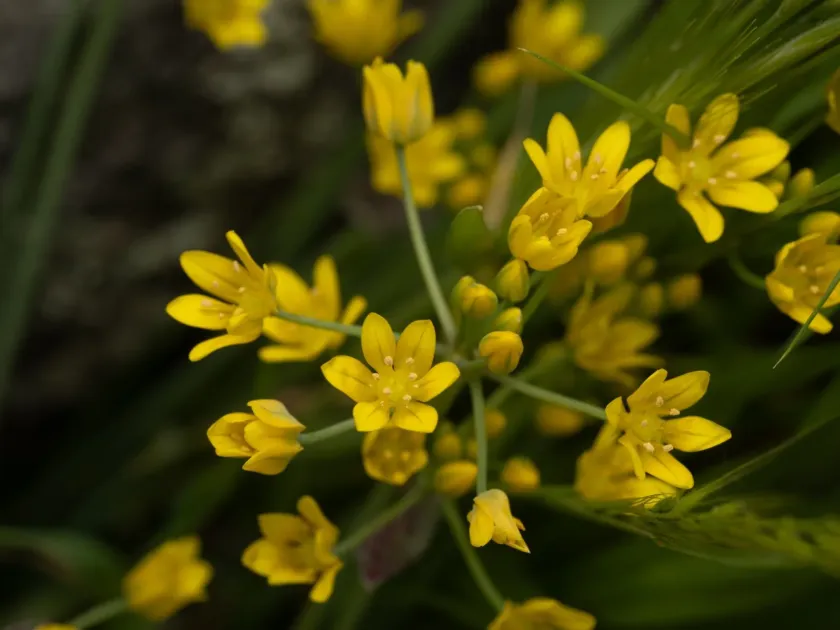
Description
Sowing dates
Sowing seeds of Allium scorzonerifolium is best performed during autumn to allow for natural stratification or in early spring once the soil begins to warm up. Seeds should be placed in well-draining furrows at a depth of 1.5 to 2 centimeters to ensure optimal germination rates.
When sowing in spring, maintaining consistent soil moisture during the first few weeks is essential for the successful establishment of young seedlings. Providing adequate space between rows, roughly 20–25 centimeters, helps prevent overcrowding and promotes healthy development.
In regions with harsh winters, covering the seedling bed with mulch or spruce branches is recommended. This protective layer shields the immature root system from extreme temperature fluctuations and potential frost heaving during the dormant season.
Regular thinning of emerging seedlings is a critical step in the agricultural process. Removing weaker plants allows the remaining bulbs to access more nutrients and space, which directly contributes to the overall vigor of the crop.
High-quality seeds should be selected to maximize energy and ensure uniformity in the resulting plant population. Properly sown crops generally demonstrate strong resilience and reliable growth cycles across subsequent years.
Growing requirements
As a member of the Amaryllidaceae family, Allium scorzonerifolium thrives in sunny locations with high light intensity. It is vital to avoid shady areas where the plants may become etiolated, leading to weak flower stalks and reduced overall plant health.
The species requires light, well-draining soil, ideally sandy loam or loamy soil, with a neutral to slightly alkaline pH. Good drainage is perhaps the most critical factor, as stagnant water in the root zone quickly causes bulb rot and other pathological issues.
The plant exhibits notable drought tolerance once established, thanks to its specialized root system. However, during the active growth and flower formation phases, moderate irrigation is necessary to maintain steady development and prevent premature senescence.
Nutrient management involves applying balanced mineral fertilizers at the beginning of the growing season. Excessive nitrogen should be avoided to prevent the overgrowth of foliage at the expense of bulb development and flower production.
Cleanliness of the cultivation area is paramount; removing weeds regularly reduces competition for light and nutrients. Keeping the soil surface aerated through shallow cultivation helps maintain optimal gas exchange for the bulbs throughout the season.
Main diseases and pests
The most common pests affecting this crop include onion flies and thrips, which can significantly damage leaf tissues and reduce photosynthetic capacity. Preventive measures, including crop rotation and the use of systemic insecticides, are necessary in high-pressure areas.
Fungal diseases like grey mold or Fusarium wilt can pose a serious threat, especially in soils with poor drainage. Infected plants must be carefully removed and destroyed to prevent the spread of fungal spores to healthy neighboring plants.
Rust, characterized by orange-brown spots on the leaves, may occur during seasons with high humidity and poor air circulation. Copper-based fungicides are often employed to manage such outbreaks and maintain the plant's health.
Nematodes are another significant threat that can reside in the soil and attack the roots. Utilizing healthy, certified planting material and following a strict multi-year crop rotation schedule are the best defenses against these subterranean pests.
Regular monitoring of the plantation is essential for identifying early symptoms of any pest or disease attack. Quick action usually prevents localized problems from escalating into plantation-wide losses, ensuring a successful harvest.
Harvesting
Harvesting seeds should be carried out during dry weather as soon as the seed capsules start to split naturally. The flower stalks are cut and dried in a well-ventilated, shaded location to complete the maturation process without losing the seeds.
Bulbs meant for propagation or transplanting are harvested during the dormant phase, typically after the foliage has fully yellowed and dried. Carefully lifting the bulbs helps prevent mechanical damage that could lead to rot during storage.
After harvest, bulbs must be thoroughly dried at room temperature in a dry, ventilated area before being placed into storage. Avoiding direct sunlight during the drying process helps maintain the integrity of the bulb scales and internal reserves.
For storage, bulbs should be kept in breathable containers like wooden crates or mesh bags. A cool, dry, and dark environment is ideal for maintaining dormancy and preventing premature sprouting before the next planting cycle.
Division of bulb clusters is recommended every three to four years to keep the plants vigorous. Dividing them too frequently can exhaust the plant's resources, so providing enough time for the cluster to expand is vital for long-term health.