
Schmitz onion
Allium schmitzii
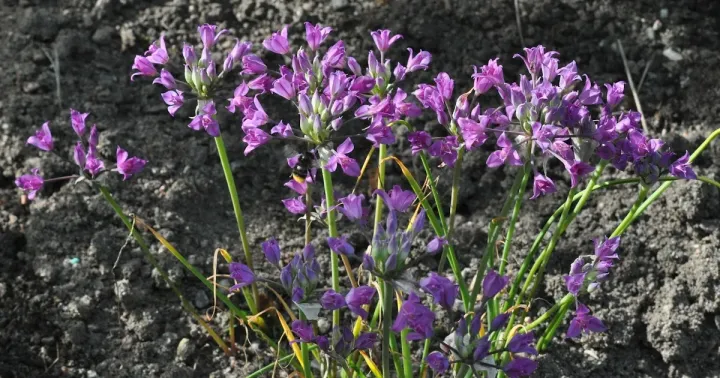
Description
Sowing dates
Seeds of Schmitz onion are typically sown in early spring once the soil warms up or in late autumn to benefit from natural cold stratification which improves germination rates.
Starting seeds indoors in late winter is a recommended practice to ensure stronger seedlings before transplanting them into the open ground after the last frost dates.
The seeds should be sown at a shallow depth of about 1 centimeter, ensuring they are kept consistently moist but not waterlogged to support early root development.
Vegetative propagation by dividing established clumps is an efficient way to expand plantings, as this species naturally forms dense mats that thrive when divided every few years.
When transplanting, providing a spacing of at least 20–25 centimeters between plants allows for adequate airflow, which is critical to preventing fungal issues in the foliage.
Growing requirements
Schmitz onion belongs to the Amaryllidaceae family and is highly valued for its adaptability, cold tolerance, and ability to persist in diverse garden conditions.
This species prefers well-drained, fertile soil with a neutral to slightly alkaline pH, making it an excellent candidate for raised beds or well-draining garden borders.
While it is tolerant of partial shade, the plant performs best in full sun, where it develops stronger flavor and more vigorous vegetative growth throughout the season.
Maintenance involves routine weeding to prevent competition for nutrients, as the plant can be slow to establish during its first year of growth in the field.
Consistent watering during dry spells is necessary to maintain quality foliage, although care should be taken to avoid soil saturation which can rot the bulbs.
Yield
The harvestable yield consists of tender, mild-flavored leaves that are perfect for fresh culinary use, adding a subtle onion aroma without being overly pungent.
Productivity increases significantly from the third year onwards, allowing for multiple harvests per season if plants are managed correctly with balanced nutrition.
Beyond culinary use, the plant serves an aesthetic role in gardens due to its attractive flowers, which bloom reliably and attract a variety of beneficial pollinating insects.
To maximize yields, it is recommended to apply a light liquid fertilizer after each major harvest to encourage the plant to regenerate fresh green foliage quickly.
Proper harvest management helps maintain the vigor of the clumps, allowing the plants to remain productive on the same site for many consecutive years.
Main diseases and pests
Common pests include onion maggots and thrips, which can feed on the foliage and diminish both the visual appeal and the edible quality of the harvest.
Fungal diseases such as rust and downy mildew are common threats in regions with high humidity, particularly if plants are grown too closely together without airflow.
Preventive measures include implementing crop rotation and ensuring that no debris remains on the soil surface at the end of the season to minimize overwintering sites for pathogens.
Using organic pest control methods is highly advised since the foliage is regularly harvested for consumption, making the use of synthetic chemicals undesirable.
Regular inspection of the leaf bases and roots for signs of discoloration or wilting can help catch disease outbreaks early and contain them within a small area.
Harvesting
Harvesting should be done by carefully cutting leaves with a clean, sharp blade about 3–5 centimeters above the soil line to avoid damaging the central growing point.
Harvesting in the cooler hours of the morning preserves the crisp texture and moisture content of the leaves, ensuring the best quality for storage or immediate consumption.
For short-term storage, the harvested leaves can be kept in the refrigerator inside a ventilated bag to maintain humidity without causing the leaves to become slimy.
It is important to cease harvesting in late autumn to allow the plant to store adequate energy reserves in its root system for a healthy dormant winter period.
Clump division for the purpose of propagation should ideally be timed with the final harvest of the year, ensuring the soil remains healthy for the following growing season.