
Savi's Onion
Allium savii
Description
Sowing dates
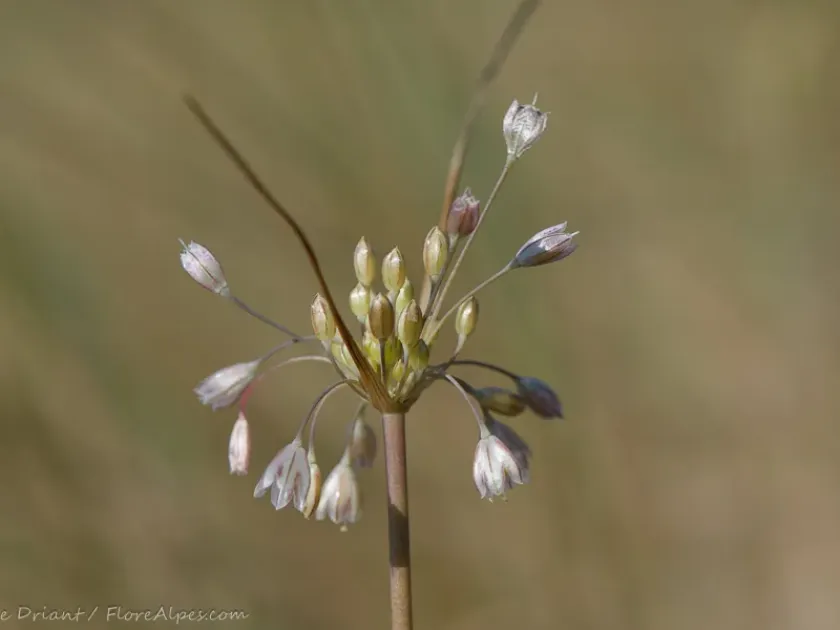
Savi's Onion (Allium savii) is a perennial herbaceous plant belonging to the Amaryllidaceae family. It is a rare botanical species that is primarily documented in the Mediterranean region, often found in rocky habitats and specialized ecosystems.
Sowing procedures for this species require careful planning based on local climate conditions. Generally, seeds are sown in early spring once the threat of frost has passed and the soil temperatures consistently reach 10-12 degrees Celsius.
Seedlings can be started in a controlled environment such as a greenhouse or a cold frame to ensure a longer growing season. Starting seeds indoors in late winter provides a head start, resulting in more robust plants by the time they are transplanted.
The spacing of seeds should be deliberate to ensure proper air circulation around the developing bulbs. Overcrowding is a major cause of damp-off diseases which can be particularly damaging to young Allium savii specimens during the early growth phase.
Surface sowing or light covering with fine soil is generally recommended for this species. Consistent moisture is vital during the germination phase, but the surface must not remain waterlogged to prevent fungal growth on the seeds themselves.
Growing requirements
Allium savii thrives in sunny environments that mimic its natural Mediterranean habitat. Exposure to direct sunlight for at least six to eight hours a day is essential for healthy foliage development and bulb formation.
Soil quality must prioritize drainage and aeration. This onion species performs best in sandy or gravelly loam soils that prevent moisture accumulation at the root zone, which is critical for preventing common onion rot diseases.
The plant demonstrates a level of drought tolerance once established, making it suitable for regions with erratic rainfall. However, supplemental irrigation is necessary during the peak of the growing season to maximize the plant's metabolic activity.
Nutrient requirements are moderate, and excessive nitrogen application should be avoided as it leads to excessive foliage growth at the expense of bulb development. A balanced, organic compost integrated into the soil prior to planting is usually sufficient.
Maintaining a clean growing area is necessary to allow for proper light penetration and air movement. Regular weeding is required, especially in the early stages of growth, to ensure that the onion plants do not compete with invasive species for nutrients.
Main diseases and pests
The primary threats to Allium savii involve soil-borne pathogens that flourish in damp conditions. Fungal diseases such as downy mildew and various species of bulb rot are significant risks if drainage is not managed correctly.
Onion flies represent the most serious pest threat, as their larvae burrow into the base of the plant. This activity destroys the root system, causing the leaves to yellow and wilt prematurely, which usually leads to the death of the affected plant.
Thrips are also problematic, as they pierce the leaf tissue to feed on plant sap. Their presence often leads to silvering of the foliage and can facilitate the transmission of viral diseases that stunt the plant's growth.
Integrated pest management, including crop rotation and the use of physical barriers, is highly recommended. By moving the planting location each year, farmers can reduce the concentration of onion-specific pathogens in the soil.
Sanitation is a vital aspect of disease management for this species. Any plant showing symptoms of rot or severe pest infestation should be removed and destroyed far from the cultivation site to prevent the further spread of pathogens.