
Rock onion
Allium rupicola
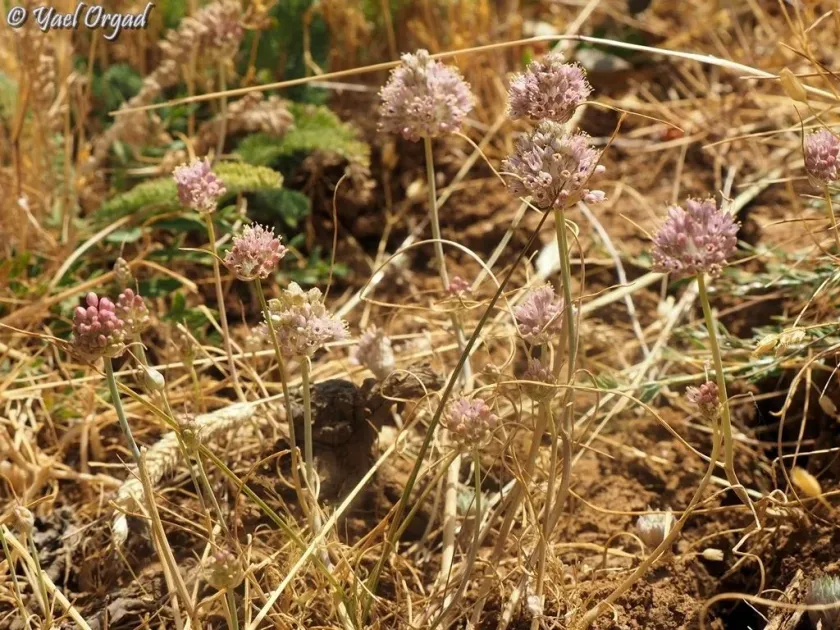
Description
Sowing dates
Sowing seeds of Allium rupicola is ideally carried out in early spring, once the soil has warmed to 5-8 degrees Celsius, or in late October for winter dormancy.
Spring sowing requires pre-stratification of seeds for about one month to ensure high germination rates and uniform seedling emergence.
Seeds should be sown at a depth of no more than 1–1.5 centimeters, and the soil should be lightly firmed after planting to ensure good seed-to-soil contact.
Row spacing should be maintained between 30 and 45 centimeters to ensure adequate ventilation and to prevent the development of moisture-related diseases.
Once seedlings have established their first true leaves, thinning is necessary to achieve a spacing of 10–15 centimeters between individual plants.
Growing requirements
Rock onion (Allium rupicola) is a member of the Amaryllidaceae family, naturally adapted to rocky slopes and high-altitude scree environments.
The crop requires excellent drainage; stagnant water will quickly lead to root rot, so light, sandy, or rocky loamy soils are highly recommended.
This plant is heliophilic, meaning it requires full sun to thrive and produce high-quality foliage, as shade can significantly inhibit its development.
It possesses remarkable frost resistance, allowing it to withstand extreme temperature fluctuations typical of its original mountainous habitats.
The optimal soil pH range for the successful cultivation of Allium rupicola is between 6.0 and 7.5; liming may be necessary on acidic soils.
Yield
The yield of Rock onion is largely dependent on the planting density and the quality of maintenance throughout the growing season.
During the first year, the plant focuses on root establishment and foliage production, so it is best to limit leaf harvesting during this initial phase.
From the second year onwards, with regular application of balanced mineral fertilizers, the plant provides a consistent supply of nutritious green tops.
Under optimal conditions, growers can expect a yield of 1.5 to 2.5 kilograms of fresh greens per square meter of cultivation space.
Maximum productivity is typically observed during the rapid spring growth phase, as the plant utilizes energy stored in its bulbs during the winter.
Main diseases and pests
The most common pests affecting this species are onion flies and thrips, which can cause significant damage to the leaves and overall plant health.
Downy mildew (peronosporosis) is a primary disease threat, particularly during periods of high humidity and poor airflow in the planting area.
Excessive soil moisture often leads to fungal root diseases, causing premature yellowing and eventual wilting of the plant's foliage.
Preventative measures include crop rotation, avoiding over-irrigation, and applying bio-fungicides if early symptoms of disease appear.
Keeping the area free of weeds is essential, as weeds often act as hosts for common pests and inhibit the plant's natural growth.
Harvesting
Selective harvesting of the green leaves can be done throughout the growing season, starting from early spring until late autumn.
When harvesting, it is crucial to use a sharp knife to leave the bulb and basal plate intact, allowing for regrowth of the foliage.
If harvesting for bulbs, wait until the end of the season when the above-ground parts begin to yellow and dry out naturally.
After excavation, the bulbs must be cured in a shaded, well-ventilated area for approximately 7–10 days to ensure proper drying of the skins.
Long-term storage should be in a cool, dry environment with a temperature maintained between 2–5 degrees Celsius to preserve freshness and quality.