
Rock onion
Allium rupestre
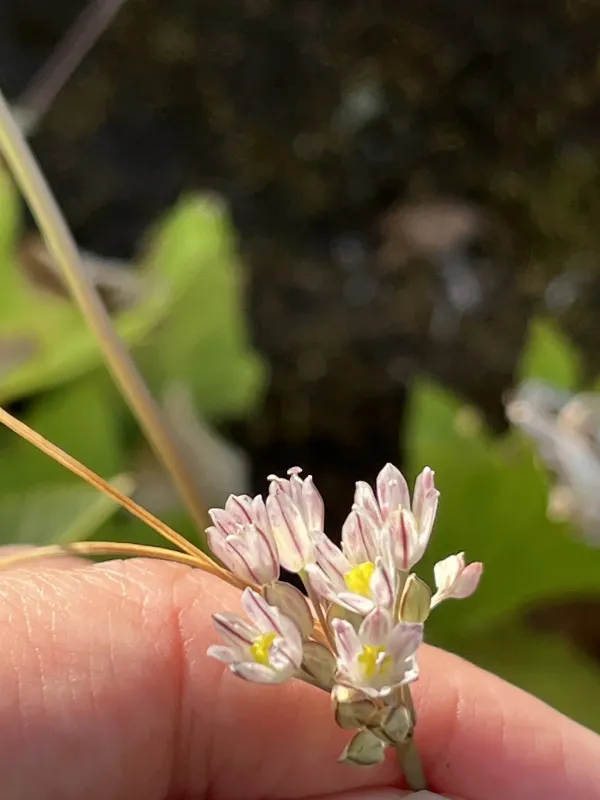
Description
Sowing dates
Rock onion (Allium rupestre) is best propagated via seeds or by dividing mature clumps. Sowing seeds should occur in early spring once the soil begins to warm, or in late autumn to allow the seeds to undergo natural winter stratification for better germination rates.
When starting indoors, seeds are sown in shallow trays in March. A lightweight, well-draining potting mix is essential to prevent seed rot. Seeds should be covered lightly with fine soil, as they require consistent moisture and moderate temperatures to sprout effectively.
Transplanting seedlings to the garden should happen when they are robust enough to handle the outdoor environment. Space the plants approximately 30 centimeters apart to allow for airflow, which is critical for reducing humidity-related diseases in onion varieties.
Direct seeding in the garden requires a firm, weed-free seedbed. Planting rows at a depth of 1 centimeter ensures adequate stability for the germinating shoots while allowing them to reach the surface quickly.
Establishment takes time, and the first season should focus on root development rather than harvest. Proper irrigation during the first few weeks is crucial until the root system of the rock onion is fully developed.
Growing requirements
The rock onion, a member of the Amaryllidaceae family, is biologically adapted to harsh, rocky environments. Its natural range includes mountainous regions where it has evolved to thrive in nutrient-poor but well-draining soils.
Full sun is a primary requirement for the healthy growth of Allium rupestre. In shaded environments, the plant becomes leggy, loses its characteristic sharp flavor, and fails to accumulate sufficient energy for winter survival.
The soil must be sandy or gravelly with a neutral to slightly alkaline pH. Drainage is the most important factor in the cultivation of this species; any waterlogging in the root zone will almost certainly lead to bulb rot.
Rock onion is exceptionally hardy and can withstand wide temperature fluctuations, including sub-zero winter temperatures. It is well-suited for high-altitude gardens or regions with cold, unforgiving climates.
While the plant is drought-tolerant once established, supplemental watering during prolonged dry spells will improve the texture and yield of the leaves. Avoid excessive fertilizer, especially nitrogen, which can lead to soft, succulent growth prone to pests.
Yield
The yield of the rock onion consists mainly of its slender, flavorful leaves. As a perennial, it provides a harvest season that begins early in the spring and continues through late summer, depending on local conditions.
Established plants form dense clusters, significantly increasing the total green mass available for harvesting over several years. Regular harvesting promotes secondary growth, allowing for multiple cuts within a single growing season.
The culinary value lies in the pungent, onion-like aroma of the leaves, which serve as excellent additions to fresh salads, soups, and traditional stir-fries. The flavor is often more intense than that of cultivated garden onions.
To maximize yields, maintain high soil fertility through light applications of compost or well-rotted manure during the dormant season. Ensuring the plants are not overcrowded helps maintain vigorous leaf production.
After a few years of intensive harvesting, the yield may decline due to overcrowding of the bulb clusters. Dividing the clumps every three to five years is a recommended management practice to rejuvenate the crop.
Main diseases and pests
Downy mildew and rust are common fungal threats to rock onion, particularly in seasons with high rainfall or high humidity. These diseases manifest as discolored spots on the leaves, which can spread rapidly if not managed.
Onion maggots and thrips are the primary insect pests. Onion maggots can cause significant damage to the root system, leading to wilting, while thrips suck sap from the leaves, causing them to turn silvery or dry out prematurely.
Integrated pest management, including the use of trap crops and organic insecticidal soaps, is effective in minimizing damage. Rotating planting sites is also vital to reduce the soil-borne pathogen load.
Prevention is key: proper drainage and adequate spacing ensure that the foliage dries quickly after rain or irrigation, which is the most effective natural defense against most onion diseases.
Weed control is also essential, as weeds serve as alternative hosts for various pests and diseases that can eventually migrate to the rock onion crop.
Harvesting
Harvesting should be done by carefully cutting the green leaves about 3 to 5 centimeters above the bulb. This method ensures that the plant remains alive and capable of regrowing new foliage for subsequent harvests.
Morning harvesting is preferred, as the leaves are turgid and contain the highest concentration of aromatic compounds. The harvested material should be kept in a cool, shaded area to maintain freshness.
If drying for future use, leaves should be hung in small bunches in a well-ventilated, dark place. While drying preserves the flavor, it does alter the texture compared to fresh leaves.
Bulb harvesting is rare for this species and is typically only done if the grower intends to multiply the plant or clear the patch. If bulbs are lifted, they should be cleaned and cured in the shade for several days.
Storage of the fresh leaves is possible for a few days in a refrigerator if they are kept in a breathable bag. Do not store the bulbs in plastic, as they require constant airflow to prevent fungal rot.