
Red-striped onion
Allium rubrovittatum
Description
Sowing dates
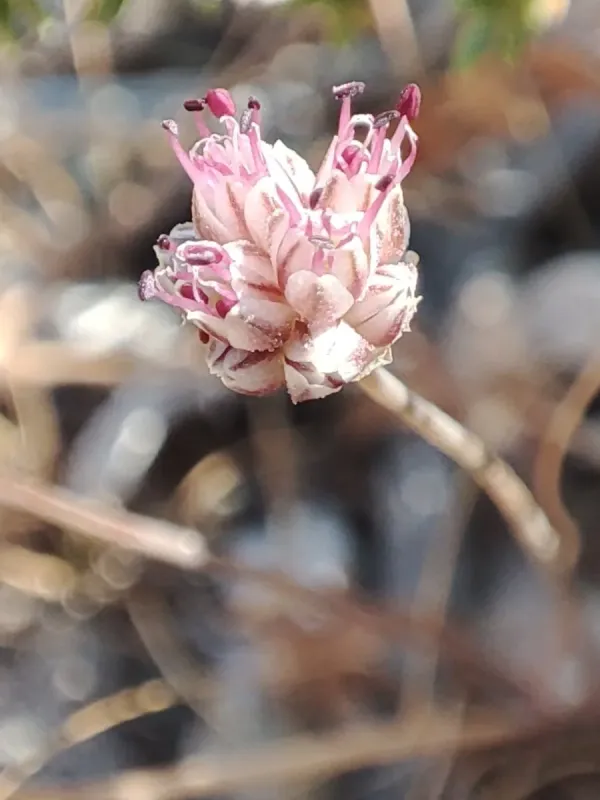
Allium rubrovittatum, commonly known as the red-striped onion, belongs to the Amaryllidaceae family. This perennial plant is highly valued for its unique morphological features and is often studied in the context of specialized botanical cultivation and conservation of rare species.
Sowing typically occurs in early spring or autumn to ensure favorable soil temperatures for germination. Seeds should be planted in a well-drained, porous substrate to facilitate initial root establishment and prevent the risk of waterlogging, which is detrimental to Allium species.
The germination process is gradual, requiring consistent but moderate humidity. Seeds should be sown at a depth of 1–2 centimeters, ensuring that the soil is lightly pressed to maintain good contact between the seed and the growing medium, promoting uniform emergence of the seedlings.
During the first year, the plant focuses on developing its bulb and root system. It is crucial to provide a stable environment to allow the plant to store sufficient energy for subsequent vegetative cycles. Patience is required as the plant builds its biomass before transitioning into a full blooming phase.
For large-scale cultivation, proper spacing is essential to ensure adequate airflow and sunlight penetration. This spacing prevents the accumulation of humidity around the leaf base, which is a common trigger for fungal issues, thus supporting healthier plant development throughout the season.
Growing requirements
The red-striped onion thrives in locations with full sun exposure. Adequate light is necessary for the plant to maintain its structural integrity and reach its full growth potential. Partial shade usually results in weak, spindly growth that is more susceptible to environmental stress.
Soil requirements for Allium rubrovittatum include a neutral to slightly alkaline pH and excellent drainage. Given its natural habitat, the soil should mimic rocky or sandy conditions where water does not pool, as the bulb is highly sensitive to root rot caused by standing water.
Temperature management should focus on avoiding extreme fluctuations, particularly during the transition from winter to spring. While the plant is hardy, mulching is recommended to insulate the soil and protect the bulb from frost-heave and excessive temperature changes that may occur in early spring.
Irrigation must be carefully regulated. It is best to provide water only when the top layer of the soil is dry. Once the plant enters dormancy, watering should be significantly reduced or stopped entirely to allow the bulb to cure properly, which is essential for its survival during the winter.
Nutrient management is best achieved through a balanced approach. Applying a low-nitrogen, high-potassium fertilizer encourages bulb development and hardiness. Over-fertilization with nitrogen should be avoided as it stimulates excessive foliage growth at the expense of bulb quality and disease resistance.
Main diseases and pests
Fungal diseases like downy mildew and fusarium rot are the primary threats to the health of the red-striped onion. These pathogens thrive in humid conditions, making preventive measures such as ensuring proper drainage and keeping foliage dry during irrigation critically important for the crop.
Insect pests, such as onion flies and thrips, pose a constant challenge in the cultivation of all Allium species. Integrated pest management, including the use of pheromone traps and biological controls, can help manage pest populations without the overuse of harsh chemical insecticides.
Weed control is vital to ensure that the onion crop is not competing for sunlight, water, or nutrients. Regular weeding also improves air circulation around the plants, which reduces the moisture trapped near the bulbs and helps in the prevention of fungal spore spread.
Crop rotation is a fundamental practice to prevent the build-up of soil-borne pathogens. By changing the location of the crop every few years, the risk of disease infestation in the soil is minimized, which significantly improves the success rate and long-term vitality of the onion plantation.
Monitoring the plants for any signs of yellowing or wilting is essential for early diagnosis of potential issues. Prompt removal and destruction of infected individuals are necessary to prevent the spread of diseases or pests to healthy plants, ensuring the overall health and quality of the crop.