
Rosy garlic
Allium rubellum
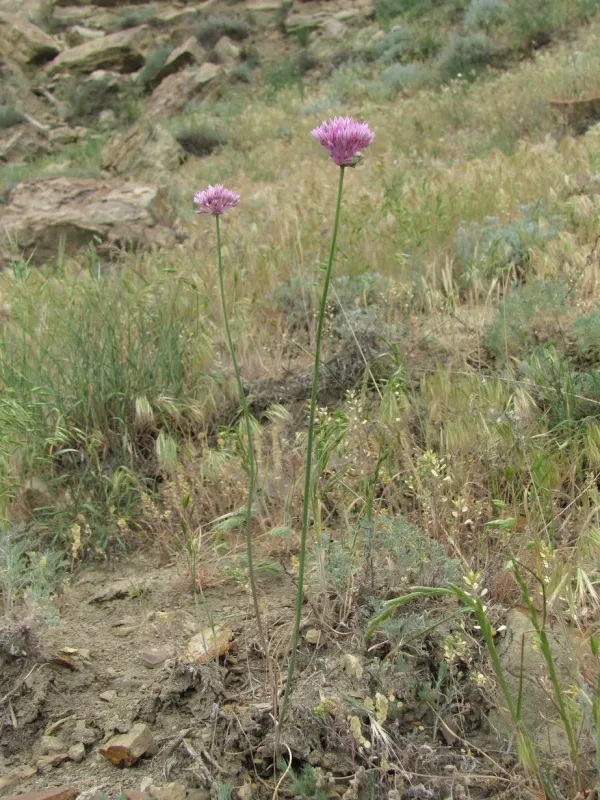
Description
Growing requirements
Rosy garlic (Allium rubellum) is a perennial herbaceous plant belonging to the Amaryllidaceae family. Native to the steppes and semi-desert regions of Eurasia, it has evolved to thrive in environments characterized by harsh winters and arid, hot summers.
The plant exhibits remarkable adaptability to diverse soil conditions, showing a preference for well-drained, sandy, or rocky substrates. It is essential to avoid sites prone to waterlogging, as the bulbs are highly susceptible to root rot in saturated conditions.
Full sun exposure is a mandatory requirement for Allium rubellum. When cultivated in partial shade, the plants fail to produce sufficiently large bulbs and exhibit stunted leaf growth, which significantly reduces the overall quality of the harvest.
Regarding climate, this species is exceptionally hardy. It tolerates extreme temperature fluctuations, making it suitable for regions with continental climates where spring frosts or late-season heat waves are frequent occurrences.
For optimal growth, the soil pH should be maintained in the neutral range. While the plant is drought-tolerant, supplemental irrigation during the peak growing season significantly improves the biomass production and the development of healthy, dense bulbs.
Main diseases and pests
Fungal pathogens represent the most significant threat to rosy garlic plantations. Downy mildew and Fusarium wilt are common, particularly when humidity levels are high or air circulation between plants is insufficient.
Insect pests, most notably the onion fly and onion thrips, can cause substantial damage to commercial crops. These pests target both the foliage and the underground bulbs, often causing total crop failure if left unmanaged.
Integrated pest management strategies are recommended, including crop rotation and the use of physical barriers to prevent the migration of soil-dwelling pests into the onion beds.
Weed management is critical, as weeds compete for moisture and nutrients while simultaneously harboring pests and diseases that threaten the development of the onion crop throughout the season.
To minimize disease outbreaks, it is crucial to avoid overhead irrigation and instead use drip systems. Keeping the leaf surfaces dry during humid periods is one of the most effective ways to prevent the onset of fungal infections.