
Round-headed garlic
Allium rotundum
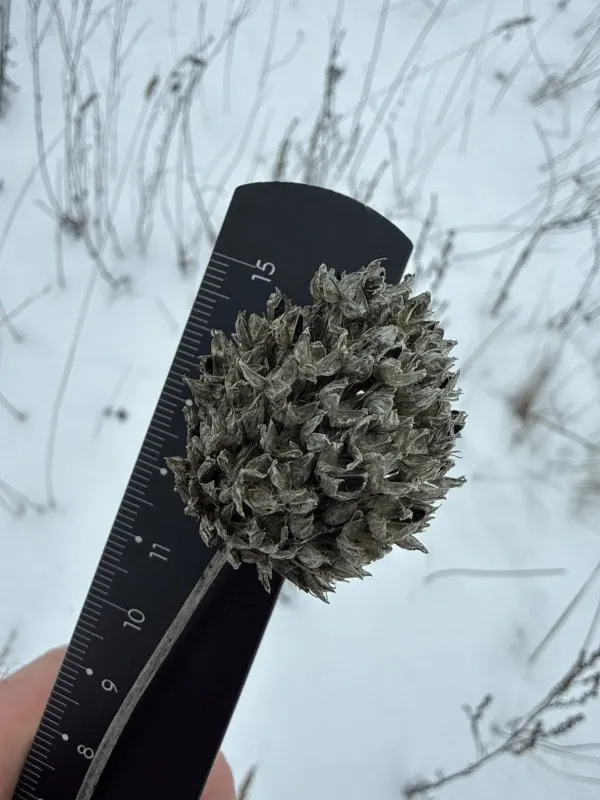
Description
Sowing dates
Round-headed garlic (Allium rotundum) is a perennial herbaceous plant belonging to the Amaryllidaceae family. Often valued for its ornamental appeal and distinct culinary profile, it is typically propagated through seeds or the division of offset bulbs during the dormant season.
For optimal germination, seeds should be sown in the open field either during late autumn or early spring once the soil temperature consistently reaches 5-8 degrees Celsius. Pre-sowing stratification can significantly enhance the uniformity of emergence for spring plantings.
Seeds are best planted at a depth of 1-2 centimeters, ensuring the soil remains moist but not waterlogged. Maintaining a row spacing of 25-30 centimeters allows the plants enough space to develop their root systems without excessive competition.
Vegetative propagation is achieved by planting small bulbs at a depth of 5-7 centimeters, spaced approximately 15 centimeters apart. This method is preferred for consistent crop quality and faster establishment compared to seed sowing.
The most favorable time for division and transplanting is when the plant enters dormancy, typically in mid-summer immediately following the ripening of the seeds and the senescence of the foliage.
Growing requirements
This crop thrives in well-drained, sunny locations with a neutral to slightly alkaline soil pH. While it displays remarkable drought tolerance, consistent moisture during the active vegetative growth phase will result in significantly larger and more flavorful bulbs.
The soil should be light and well-aerated, such as sandy loams, to prevent the stagnation of water which can cause rot in the bulb base. Heavy clay soils should be amended with organic matter or shaped into raised beds to improve drainage.
Round-headed garlic is highly frost-hardy and can withstand harsh winter temperatures, provided the soil remains well-drained. Mulching with straw or compost during winter can protect the bulbs from extreme temperature fluctuations.
Regular mineral fertilization, particularly with potassium and phosphorus, supports the development of firm bulbs and better storage longevity. Nitrogen applications should be focused on the early spring growth phase to promote lush green foliage.
Exposure to full sunlight is essential for the plant to develop its characteristic spicy aroma. Shade-grown plants often show weakened stems and lower concentration of beneficial secondary metabolites.
Yield
Yield capacity for this crop is primarily determined by environmental conditions and management efficiency. The plants produce relatively small, pungent bulbs that are highly sought after by connoisseurs of specialty culinary ingredients.
The green foliage is also highly edible and harvested during the spring before the plant focuses its energy on bulb development. Proper spacing is the key to maximizing the yield per square meter, as overcrowding limits bulb diameter.
With its high content of essential oils and vitamins, this plant serves as a nutritious addition to any harvest. Crop performance can be stabilized through consistent watering regimes and periodic weeding to ensure the plants capture maximum solar energy.
For successful market production, the bulbs should be harvested when they reach full maturity, characterized by firm skin and dense internal layers. Proper sorting ensures that the harvested product meets quality standards for both fresh consumption and long-term storage.
The economic viability of Allium rotundum is bolstered by its resilience to poor soil quality and its relatively low requirement for chemical intervention, making it a sustainable choice for small-scale and organic farming operations.
Main diseases and pests
Common threats to this crop include fungal diseases like downy mildew and basal rot, particularly in damp or poorly ventilated conditions. Prevention focuses on crop rotation and the selection of disease-free planting material.
Insect pests, such as onion flies and thrips, can cause significant damage to the leaves and developing bulbs. Implementing integrated pest management (IPM) strategies, including biological control agents, helps to minimize the need for synthetic insecticides.
Rust diseases can occur under high humidity, manifesting as orange spots on the foliage. Early detection and the removal of affected plant parts are vital to prevent the spread of the infection to neighboring healthy plants.
Soil-borne nematodes can become problematic if the same land is used for Allium species for several consecutive years. Proper crop rotation with non-host plants is the most effective way to break the pest cycle and ensure soil health.
Hygiene practices, including the removal of crop debris after harvest, are essential to deprive pathogens of a place to overwinter, thereby reducing the risk of recurrence in the subsequent season.
Harvesting
Harvesting should be conducted when the foliage begins to yellow and wither, indicating that the bulb has reached its maximum size and nutrient storage. Dry, sunny weather is preferred for this task to ensure clean bulbs and quick drying.
After excavation, the bulbs should be cleaned of excess soil and left to cure under a canopy with good air circulation. This curing process, lasting 7-10 days, helps the outer skin to tighten and creates a protective barrier against post-harvest decay.
Properly cured bulbs are stored in cool, dry, and well-ventilated areas. Maintaining temperatures between 0 and 5 degrees Celsius is ideal for extending the shelf life of the product throughout the winter months.
Careful handling during the harvest process is critical to prevent mechanical injury, as even minor cuts or bruises can serve as entry points for fungal infections. Sorting by bulb size and quality facilitates more efficient storage and market distribution.
For long-term storage, bundling the dried bulbs or placing them in mesh containers ensures constant airflow, preventing mold buildup and allowing the bulbs to remain viable until the next planting season.