
Rosy garlic
Allium roseum
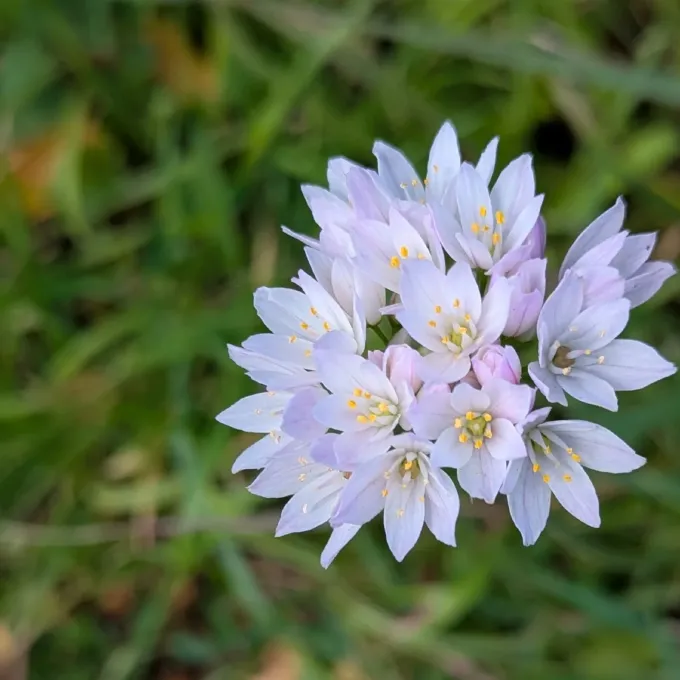
Description
Sowing dates
Rosy garlic (Allium roseum) is typically propagated via seeds sown in autumn or early spring, ensuring the soil is sufficiently loose and well-aerated.
Seeds should be planted at a depth of 1–2 centimeters. For optimal development, maintaining consistent soil moisture during the germination phase is essential.
Vegetative propagation using offsets (small daughter bulbs) is the most effective way to maintain genetic purity and ensure faster maturity compared to seed cultivation.
Offsets are best planted in late summer, allowing the root system to establish itself before the ground freezes, which promotes vigorous growth in the following spring.
Proper spacing is crucial; plants should be set roughly 15–20 centimeters apart to prevent competition for light and nutrients among the developing bulbs.
Growing requirements
A member of the Amaryllidaceae family, Allium roseum is native to the Mediterranean region, where it thrives in sunny, open areas with well-drained soils.
This crop prefers light, sandy, or loamy soil types that offer excellent drainage, as the species is highly susceptible to bulb rot in waterlogged conditions.
It performs best in temperate climates. While hardy, the plants benefit from protective mulch in regions that experience severe frost, which insulates the soil.
The plant is relatively drought-tolerant but responds positively to supplemental irrigation during the peak growing season to ensure robust floral development.
Regarding soil fertility, incorporating organic matter before planting provides the necessary nutrients for the plant's entire life cycle without over-fertilizing.
Main diseases and pests
The most common biological threats include fungal pathogens like Botrytis and Fusarium, which typically arise from high humidity and poor soil ventilation.
Insect pests, specifically onion flies and thrips, can cause significant damage to the foliage and bulb tissue if left unmanaged during the early growth stages.
Integrated Pest Management (IPM) practices, such as crop rotation and the removal of plant debris, are recommended to minimize the impact of these threats.
Monitoring the crop for signs of yellowing or wilting is essential for early detection of potential infestations, allowing for timely intervention.
- Avoid over-watering.
- Use certified clean planting stock.
- Maintain weed-free environments.
Harvesting
Harvesting usually occurs once the foliage begins to yellow and wither, indicating that the bulb has reached maturity and entered its dormant phase.
The bulbs should be carefully lifted from the soil to avoid mechanical damage, then cleaned and cured in a shaded, well-ventilated location to prepare for storage.