
Qasyun onion
Allium qasyunense
Description
Growing requirements
The Qasyun onion (Allium qasyunense) is a perennial herbaceous plant belonging to the Amaryllidaceae family. The species is named after Mount Qasyoun in Syria, which serves as the type locality for this specific wild onion variety.
Native to the arid and rocky landscapes of the Middle East, this plant is well-adapted to Mediterranean climates characterized by hot, dry summers and cool, wet winters. Its biological cycle is tightly synchronized with these seasonal moisture patterns.
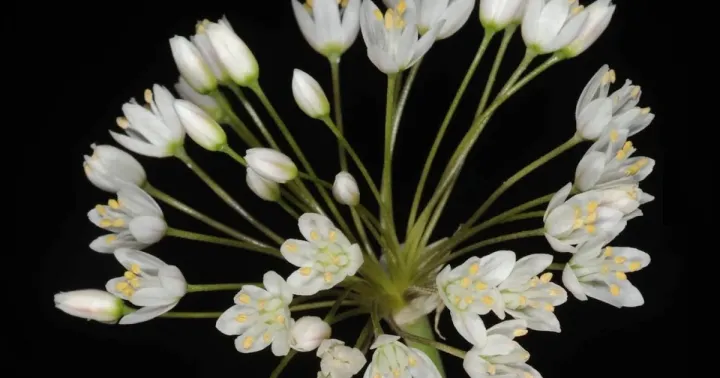
Botanically, it features small, hardy bulbs, slender leaves, and a characteristic umbel inflorescence. As a true xerophyte, it manages water resources with high efficiency, which is a key adaptation for survival in nutrient-poor and rocky mountain soils.
Cultivation requires exceptionally well-drained soil, such as sandy or limestone-based substrates. The plant cannot tolerate stagnant water, as its root system is highly susceptible to decay in heavy, waterlogged soils typical of low-lying agricultural areas.
The agricultural significance of Allium qasyunense is primarily found in the field of plant breeding and genetic conservation. It serves as a source of valuable traits for drought resistance and adaptation to extreme environmental fluctuations in other Allium crops.
Main diseases and pests
The primary threats to Allium qasyunense are fungal diseases, particularly rot-related pathogens that thrive when soil moisture levels are not strictly managed. Excessive humidity in the root zone is the most common cause of crop loss.
Pests such as onion flies and various types of nematodes pose risks to the plant's health. In its wild state, the plant's natural chemical defense mechanisms, derived from its specific volatile oils, often provide a sufficient level of resistance against generalist pests.
Habitat loss due to urbanization and intensive livestock grazing represents a significant environmental threat. Protecting these wild populations is essential for maintaining the genetic diversity of the genus Allium in its native range.
When grown in experimental or botanical settings, it is recommended to practice strict crop rotation. Avoiding sites previously occupied by other Amaryllidaceae species helps prevent the build-up of specialized soil-borne diseases.
Preventative care focuses on ensuring optimal soil aeration and moisture drainage. Regular inspection of the bulb and neck area is advised to detect early signs of infestation or fungal development, allowing for timely intervention.