
Podolian onion
Allium podolicum
Description
Sowing dates
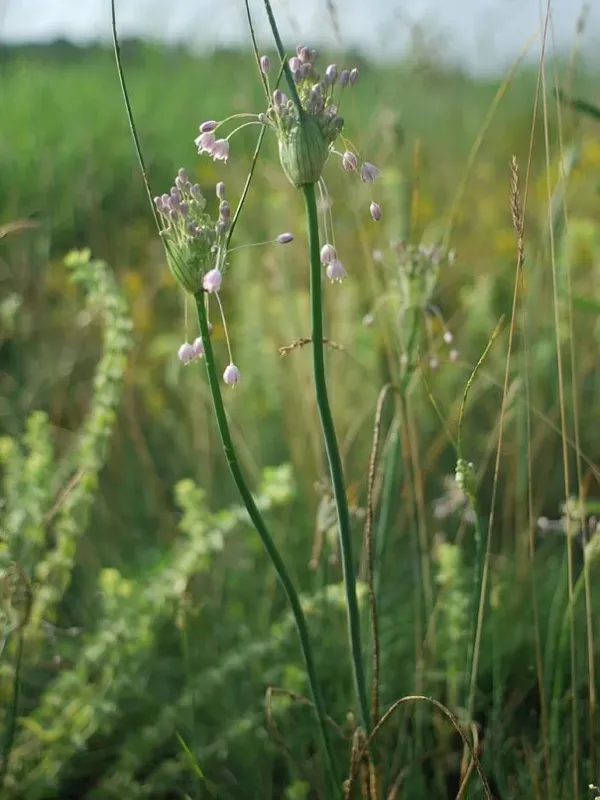
Podolian onion (Allium podolicum) is a perennial herbaceous plant belonging to the Amaryllidaceae family. This species is native to the Podolian Upland, where it occurs in natural habitats and is considered a valuable botanical specimen.
Propagation is primarily achieved through seeds. For successful germination, seeds often require stratification to break dormancy. Sowing can be performed in early spring as soon as the soil is workable or in late autumn for winter-hardy germination.
Seeds should be planted at a depth of 1.5–2 centimeters in well-prepared, loose soil. Maintaining proper spacing between rows, ideally 25–30 centimeters, is crucial to allow for adequate air circulation and to facilitate easy weeding.
During the first year, the plant focuses on establishing its root system and developing a small rosette of leaves. Robust vegetative growth and full-scale development typically occur from the second year onwards, once the plant is well-established.
For accelerated development, greenhouse-grown transplants can be utilized. Seedlings should be hardened off and planted outdoors when they are approximately 45–50 days old, ensuring they can withstand ambient temperatures without stress.
Growing requirements
This species is highly photophilous and requires full sun exposure for optimal health. Shade-grown plants tend to be weak, with pale foliage and reduced overall vigor, making sunny locations in the garden essential for successful cultivation.
The plant thrives in light, well-draining soils such as sandy loams. Heavy, waterlogged soils should be avoided or amended with organic matter and drainage materials to prevent root rot, which is a common issue for many Allium species.
Podolian onion exhibits remarkable drought tolerance, reflecting its natural steppe origins. However, for commercial-grade green leaf production, consistent, moderate watering during active growth periods is necessary to maintain leaf succulence.
Soil pH should ideally be neutral. If the soil is overly acidic, agricultural lime should be incorporated prior to planting. Proper soil preparation ensures that the nutrients are readily available for the plant's metabolic processes.
Fertilization with well-rotted compost or organic manure provides a slow-release source of nutrients. Excessive nitrogen application should be avoided, as it can cause succulent tissue to become overly soft and susceptible to pests and diseases.
Main diseases and pests
The onion fly is a primary pest for this crop. Its larvae feed on the underground parts of the plant, potentially leading to rapid wilting and plant mortality. Regular monitoring and use of row covers are recommended for control.
Downy mildew (Peronospora) represents the most significant fungal threat, especially in humid or stagnant air conditions. Symptoms include greyish lesions on the leaves, which can spread rapidly and lead to complete defoliation if not treated.
Implementing strict crop rotation is the most effective preventative measure against soil-borne pathogens. Allium crops should not occupy the same site for more than one season in every four to five years to break pest life cycles.
Weed management is critical, as weeds serve as alternative hosts for pests and compete with the onion plants for moisture and nutrients. Keeping the rows clean through manual weeding or light hoeing improves plant resilience.
Integrated Pest Management (IPM) practices should be followed to minimize reliance on synthetic chemicals. Biological agents, such as beneficial insects or microbial pesticides, can effectively manage threats without harming the surrounding environment.
Harvesting
Harvesting of the green leaves can begin in the second growing season. Leaves should be cut when they reach a height of 20–25 centimeters, taking care to avoid damaging the crown of the plant to allow for multiple harvests.
Optimal harvest timing is early in the morning, when the leaves are fully turgid and contain maximum moisture content. After cutting, the leaves should be cooled quickly and kept in a shaded, ventilated area to prolong shelf life.
For seed saving, selected healthy plants should be left unharvested. These will develop flowering stalks, which require extra support. Seeds are ready to be collected when the capsules turn brown and show signs of drying.
Post-harvest handling involves removing soil debris and inspecting the leaves for quality. Proper sorting ensures that the product meets market standards and minimizes post-harvest waste during storage and transportation.
Once the growing season concludes, all remaining plant debris should be removed from the beds. Proper sanitation of the growing area significantly reduces the disease pressure for the following season and keeps the soil healthy.