
Small onion
Allium parvum
Description
Growing requirements
Allium parvum is a perennial herbaceous plant belonging to the Amaryllidaceae family. It is a distinct species native to the western regions of North America, typically found in arid and rocky habitats, including alpine screes and dry slopes.
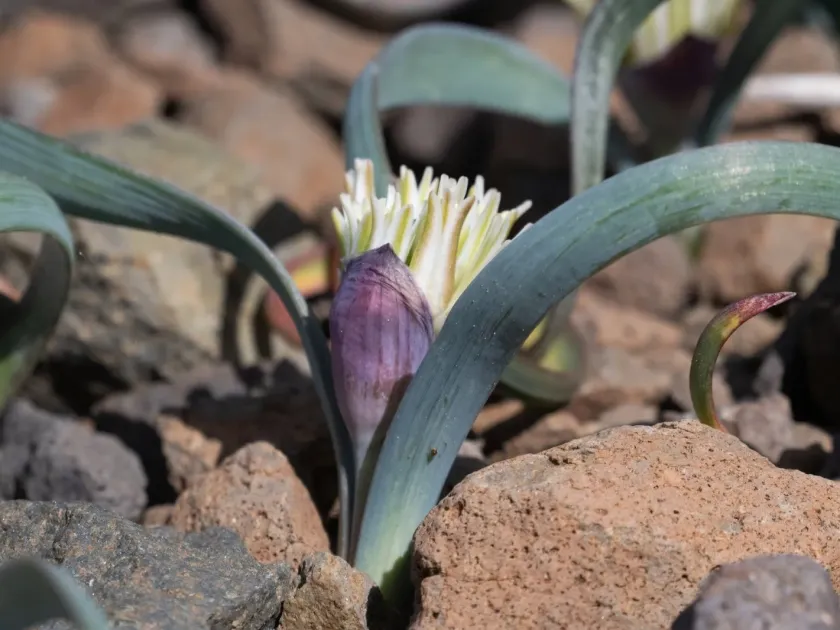
Botanically, this species is defined by its dwarf stature, typically reaching heights of only 5 to 15 centimeters. It produces a small, egg-shaped bulb protected by fibrous, papery coats. The foliage consists of narrow, channeled leaves that emerge early in the spring and often wither after the flowering period.
Success in cultivating Allium parvum depends entirely on mimicking its natural, harsh environment. The soil must be exceptionally well-drained, preferably a gritty or sandy mix, as the species is highly intolerant of summer moisture or waterlogged winter conditions.
The plant requires full sun to thrive and requires a distinct summer dormancy period. During this time, the soil should remain relatively dry to prevent premature rot of the bulbs, reflecting the arid conditions of its native high-elevation habitats.
In terms of usage, this plant is primarily valued as a niche ornamental specimen for rock gardens, trough plantings, or specialized xeriscaping. Because of its diminutive size and specific requirements, it is rarely grown for commercial food production, but rather for botanical interest.
Main diseases and pests
The primary threat to the health of Allium parvum is soil pathogens caused by excessive humidity. Fungal pathogens such as bulb rot are frequently fatal if the drainage is insufficient, especially in regions with heavy summer precipitation.
Insects such as onion maggots or aphids may occasionally infest the plants, particularly when grown in sheltered, non-native environments with high humidity. Maintaining good air circulation is essential to prevent both pest infestations and fungal proliferation.