
Parnassus onion
Allium parnassicum
Description
Growing requirements
Allium parnassicum is a perennial herbaceous species belonging to the Amaryllidaceae family. It is a rare endemic plant native to the rocky slopes of Mount Parnassus in Greece, reflecting its evolutionary adaptation to harsh mountain climates and rocky soil substrates.
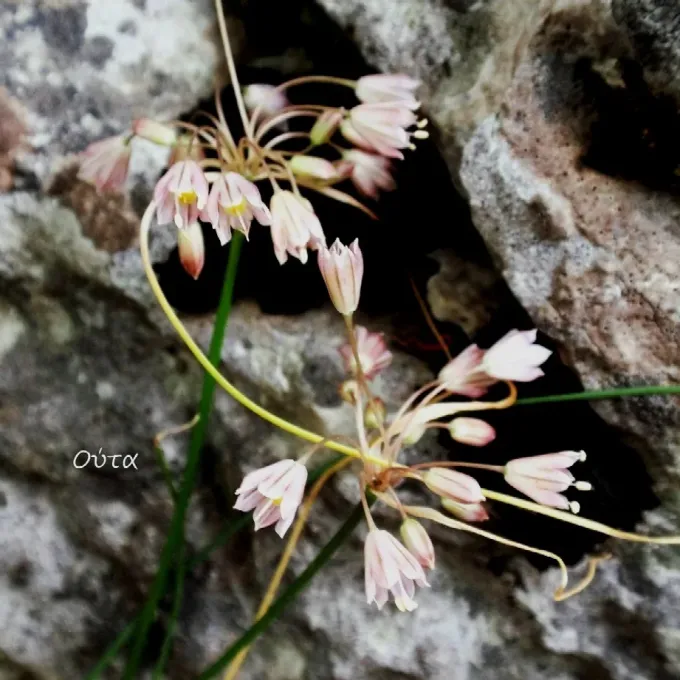
The botanical profile of the plant includes a small, tunicated bulb and narrow, basal leaves that form a low-growing cluster. The flowering stalks emerge in the spring or early summer, topped with distinct, bell-shaped flowers arranged in a globular umbel, typically ranging in color from pale pink to violet.
In terms of growing conditions, this species demands a location with excellent drainage. It thrives in stony, sandy soils that mimic its natural alpine habitat. Growers should prioritize sites that prevent water retention, as the bulb is highly susceptible to rot during periods of excessive moisture.
Regarding climate, the plant requires full sun to partial shade. It is well-adapted to cooler mountain temperatures but necessitates sufficient airflow to avoid fungal infections. Consistent soil moisture is required during the active growth phase, but the soil should be allowed to dry out significantly during the dormancy period.
The primary use of the Parnassus onion is within the niche ornamental horticultural sector, particularly for alpine rock gardens and xeriscaping. Due to its status as a specialty bulb, it is often sought after by plant enthusiasts who focus on maintaining biodiversity and rare Mediterranean species in controlled gardening settings.