
Allium parciflorum
Allium parciflorum
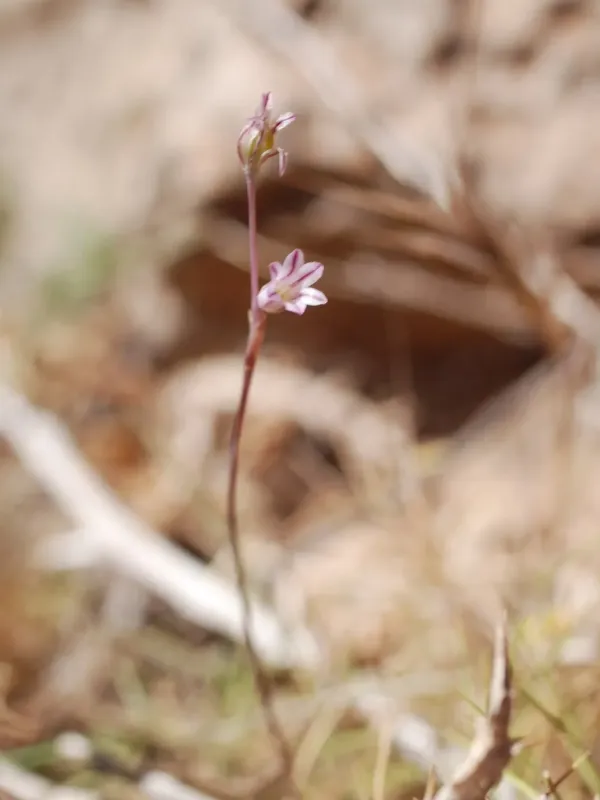
Description
Sowing dates
Allium parciflorum is an endemic plant with a life cycle synchronized with the Mediterranean climate, meaning its sowing or germination time occurs in autumn.
In its natural habitat, the seeds germinate after the first significant autumn rains, allowing the plant to establish a root system before the cold winter season.
When cultivating in nurseries, seeds are sown in a prepared substrate in late August or September to ensure sufficient moisture for successful germination.
Sowing should be done at a shallow depth of no more than 1-2 centimeters, as small seeds have low energy for sprouting from deeper soil layers.
The optimal temperature for seed germination for this species ranges from +10 to +15 degrees Celsius, matching the cool autumn temperatures.
Growing requirements
Allium parciflorum, a member of the Amaryllidaceae family, prefers open, sunny locations with high exposure to direct sunlight throughout the day.
The plant is highly sensitive to waterlogging, necessitating rocky or sandy soils with excellent drainage to prevent bulb rot during dormant periods.
Cultivation requires maintaining a neutral to slightly alkaline soil pH, mimicking the limestone-rich soils of its native habitat in Sardinia and Corsica.
The species exhibits high tolerance to summer drought, a period during which the plant enters dormancy, leaving the bulb buried deep underground.
It is essential to prevent competition from vigorous weeds, which can shade the low-growing rosettes of the onion during the spring growing season.
Main diseases and pests
The primary threat to this species is fungal infection caused by poor aeration or excessive irrigation during the plant's natural dormancy phase.
Common onion pests, such as onion flies, may pose a risk to Allium parciflorum, particularly by damaging the bulb plates and inviting secondary infections.
Failure to follow proper agronomic practices may lead to an infestation of bulb mites, which thrive in damp conditions and damage the developing bulbs.
Soil nematodes must be monitored, as they can significantly inhibit root development in young or newly established plantations.
Effective disease prevention involves strict adherence to crop rotation and careful moisture control, which is critical for maintaining plant health.
Harvesting
Commercial harvesting of Allium parciflorum is rare due to its status as a specialized species, so large-scale production is not standard practice.
For scientific or breeding purposes, bulbs are harvested after the aerial parts have completely withered, typically in late May or June.
The harvesting process requires careful handling, as the bulbs are small and possess very delicate outer tunics that can be easily damaged.
Once harvested, the planting material is cleaned of soil debris and dried in a well-ventilated area protected from intense, direct sunlight.
Storage should be conducted at low positive temperatures in a dry environment to replicate the plant's natural summer dormancy in the Mediterranean region.