
Pale onion
Allium pallens
Description
Sowing dates
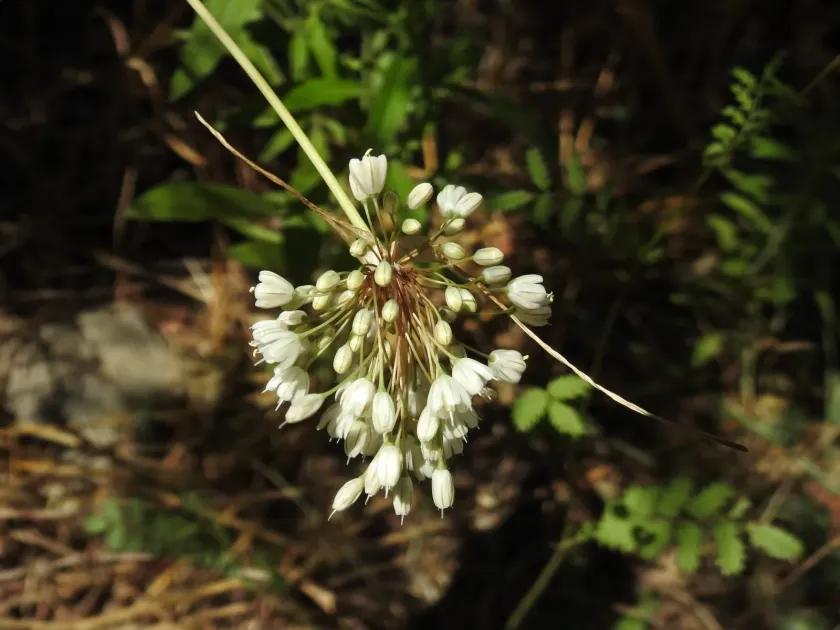
The pale onion (Allium pallens) is a perennial herbaceous plant belonging to the Amaryllidaceae family. It develops from a small bulb, which acts as a storage organ, allowing the plant to survive adverse conditions and sprout vigorously when the spring season begins.
For cultivation, seeds should be sown in prepared soil either in late autumn or early spring. If sowing in spring, ensure the soil has warmed up sufficiently, which promotes rapid germination and establishment of the young plants before the onset of summer heat.
Seeds should be planted at a depth of approximately 1.5 to 2 centimeters. Maintaining a row spacing of about 20–25 centimeters is recommended to ensure adequate air circulation and sunlight penetration, which are vital for the healthy development of the onion bulbs.
Vegetative propagation using daughter bulbs is also a highly effective method for gardeners. This technique allows for faster maturation and ensures that the genetic traits of the parent plant are perfectly preserved, resulting in consistent crop quality.
The plant undergoes a period of rapid vegetative growth in late spring, followed by a maturation phase in early summer. Once the leaves begin to yellow, the plant signals the completion of its seasonal cycle and prepares to enter a state of dormancy.
Growing requirements
This species is highly adapted to sunny environments. It requires full sunlight exposure to perform photosynthesis efficiently; shaded areas will result in weak growth and significantly smaller bulbs, which are less likely to survive through the storage period.
The ideal soil for this onion is well-draining, sandy or loamy. Because the plant is susceptible to bulb rot, heavy clay soils must be amended with organic compost or sand to prevent moisture accumulation around the roots, especially during wet seasons.
A neutral to slightly alkaline pH is preferred. In acidic soil conditions, the plant may struggle to uptake nutrients, so incorporating lime or wood ash is often necessary to improve soil chemistry and support robust root development.
The pale onion is known for its resilience to moderate heat and dry spells. While it appreciates consistent moisture during the early growing stages, it is relatively drought-tolerant once established, making it suitable for Mediterranean-type climates.
Fertilization should focus on providing enough phosphorus and potassium to encourage bulb swelling. Excessive nitrogen should be avoided after the initial growth phase, as it promotes unnecessary leaf growth at the expense of bulb density and quality.
Main diseases and pests
Common agricultural pests for this species include the onion fly. The larvae feed on the roots, which can be devastating to a young crop. Implementing crop rotation and using row covers can significantly reduce the risk of infestation in home gardens.
Fungal diseases like downy mildew are a major concern in humid environments. These pathogens manifest as discolored patches on the foliage, which can spread quickly if the leaves remain wet for too long, necessitating careful attention to plant density and ventilation.
Root rot is often a result of overwatering or poorly drained soil. Once the fungal pathogens enter the bulb tissue, it is difficult to treat, making prevention through proper site selection and watering practices the most effective strategy for the grower.
Weed management is essential, as weeds compete for nutrients and create micro-climates that are favorable for pest development. Regular shallow cultivation between rows helps disrupt the soil surface, killing off young weeds and insects before they become a problem.
Using organic mulch can help regulate soil moisture and temperature, creating a barrier that reduces weed growth and prevents soil-borne pathogens from splashing onto the leaves during heavy rains, thus maintaining the overall health of the planting.
Harvesting
The harvest should occur when the foliage has largely turned yellow and collapsed naturally. This indicates that the plant has ceased active growth and that the energy has been successfully stored in the bulb for the dormancy period.
Dig up the onions carefully using a garden fork, taking care not to nick or bruise the bulbs. Mechanical damage during harvest creates entry points for bacteria and fungi, which can compromise the entire harvest during long-term storage.
After lifting, the onions should be cured in a warm, dry, and airy location. Curing is a critical step that dries the outer protective layers of the bulb, creating a skin that prevents dehydration and provides a barrier against infection.
Once cured, trim the roots and dry stalks to about 3–5 centimeters above the bulb. Clean off any loose soil gently with your hands, and discard any damaged bulbs to ensure they do not contaminate the rest of the stored crop.
Store the bulbs in a cool, dark, and well-ventilated area. Properly stored pale onions can remain in good condition for many months, providing a sustainable supply for the household throughout the winter months if kept under optimal conditions.