
Allium oreophilum
Allium oreophilum
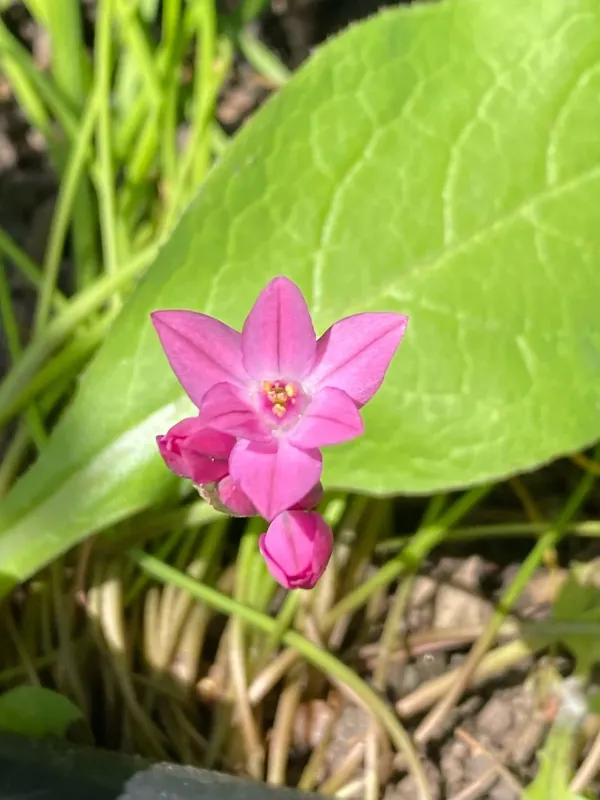
Description
Sowing dates
Sowing seeds of Allium oreophilum is typically performed in late autumn for outdoor germination or in early spring following a cold stratification period to break dormancy.
When sowing in spring, seeds should be placed at a depth of 1-2 centimeters into a light, sandy substrate to ensure proper aeration and prevent rot in the early seedling stage.
The seedlings exhibit slow initial growth, developing a small bulb in the first year, which requires attentive care, including regular weeding and maintenance of optimal moisture levels.
Transplanting the seedlings to their permanent location is best done in the second year, once the root system has matured sufficiently to handle the change in growing environment.
Vegetative propagation via bulb offsets is the most reliable method for multiplication, performed by dividing the clusters during the dormant phase when the foliage has fully receded.
Growing requirements
Allium oreophilum belongs to the Amaryllidaceae family and is naturally adapted to the rocky and harsh environmental conditions of Central Asian mountains.
The plant requires full sun exposure and is highly sensitive to any shade, necessitating an open location that receives direct sunlight throughout the entire day.
Soil requirements include excellent drainage, as the bulbs are susceptible to rot; sandy, stony, or gravelly soils with a neutral pH are ideal for healthy bulb development.
Consistent moisture is needed during the growing season, but the soil must never remain waterlogged, particularly in winter, when the bulbs enter their natural rest period.
The species is exceptionally hardy, capable of withstanding the wide temperature fluctuations typical of high-altitude habitats, making it a robust choice for alpine rock gardens.
Main diseases and pests
Root rot and fusarium are the primary threats to Allium oreophilum, usually resulting from inadequate soil drainage or excessive irrigation during periods of low activity.
Pests such as the onion fly can cause significant damage by larvae feeding on the basal plate, which rapidly compromises the bulb's structural integrity and health.
Rust diseases affecting the foliage should be addressed early with copper-based fungicides to prevent the spread of spores, especially in regions with high humidity.
Preventative measures include maintaining adequate spacing between individual plants to promote airflow and avoid the buildup of stagnant, humid air pockets.
The application of fresh organic manure should be strictly avoided, as it encourages soil-borne diseases and creates an environment favorable for pathogenic bacteria.
Harvesting
Harvesting the bulbs for storage or propagation is executed in late summer once the foliage has turned yellow and withered, signaling that the plant is in deep dormancy.
The harvested bulbs should be cured in a shaded, well-ventilated area for approximately ten days to allow for the hardening of the outer skins before long-term storage.
After curing, the bulbs must be cleaned, inspected for injuries or signs of rot, and stored in a cool, dry place with temperatures kept between 10 and 15 degrees Celsius.
Proper storage involves using breathable containers to prevent moisture accumulation, ensuring the longevity and viability of the bulbs until the next planting cycle.
Seed collection should occur when the seed pods have turned brown and dry, ensuring the seeds are fully mature and capable of producing vigorous next-generation plants.