
Oporinanthum onion
Allium oporinanthum
Description
Growing requirements
The oporinanthum onion (Allium oporinanthum) is a perennial herbaceous plant belonging to the Amaryllidaceae family. It is natively distributed across parts of France and Italy, typically thriving in wild, Mediterranean environments characterized by dry, rocky slopes.
The plant requires well-drained, lime-rich soil to prevent root rot, which is the most common cause of failure in cultivation. It is highly adapted to sunny and dry climates, making it a suitable candidate for xeriscaping or rock gardens where soil moisture is controlled.
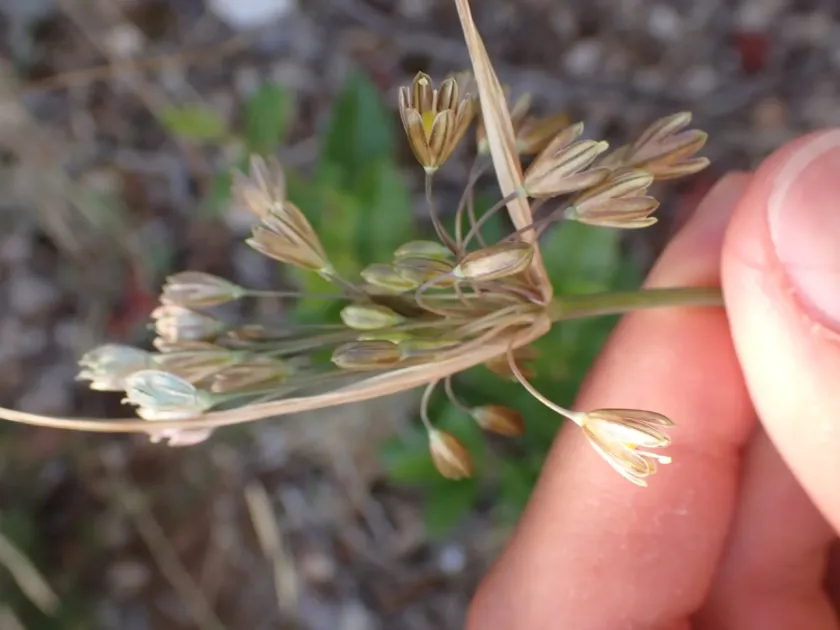
Regarding its botanical traits, it forms a small, elongated bulb and produces a slender scape topped with a dense umbel of pinkish-purple flowers. These flowers are highly aesthetic and bloom during the late spring or early summer months, reflecting the plant's Mediterranean cycle.
In terms of agricultural management, space is essential. Since it is not a mass-production commercial crop, it is often grown in garden rows or container systems where moisture can be monitored closely. Supplemental irrigation should only be provided during intense heatwaves.
The economic value of this species is primarily focused on biodiversity preservation and botanical research. Breeders may utilize its genetic traits, such as drought tolerance and bulb resilience, to develop more robust varieties of culinary alliums suitable for changing climatic conditions.
Main diseases and pests
The primary threats include fungal diseases such as white rot and rust, which occur when air circulation is poor or humidity levels remain high for extended periods. Ensuring a site with excellent airflow is crucial to maintaining the health of the foliage.
Pests like onion thrips can pierce the plant's epidermis, leading to stunted growth and discolored leaves. Effective management strategies involve monitoring the population and using biological controls or mild insecticidal soaps if an infestation occurs in garden settings.