
Okhotsk onion
Allium ochotense
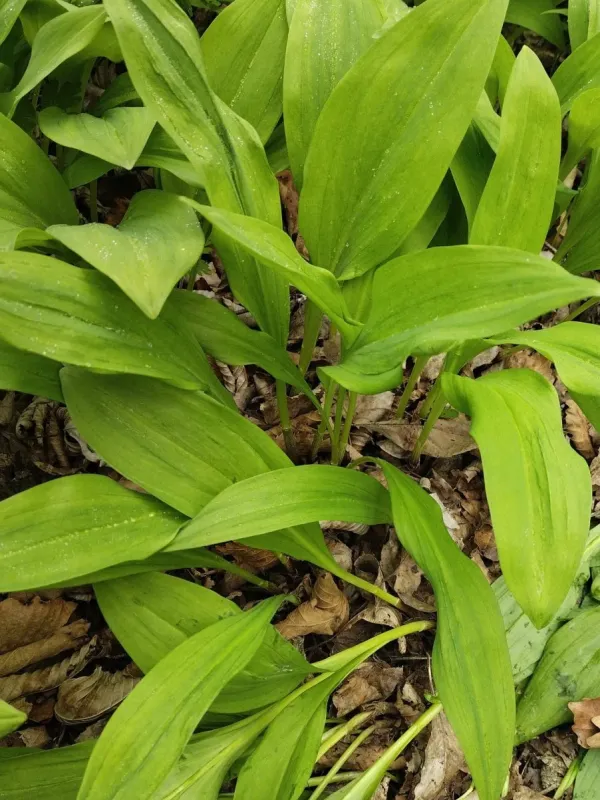
Description
Sowing dates
Okhotsk onion is a perennial plant that can be propagated through seeds or division of rhizomes. Seeds require a cold stratification period to break dormancy, making autumn sowing the most effective method for successful spring germination.
If sowing in the spring, seeds must be kept in cold conditions (like a refrigerator or outdoors) for several months beforehand. This process mimics the natural environment and ensures higher germination rates.
Prepare the soil by incorporating organic matter such as compost or well-rotted manure. Seeds should be sown in rows at a depth of 1 to 2 centimeters to ensure they are adequately covered.
The seedlings develop slowly during their first year. It is crucial to maintain a weed-free environment and ensure the soil remains moist to support young root systems.
Vegetative propagation by dividing established clumps is another reliable method. This is best done in early spring or late summer, allowing the plant to re-establish before the start of the next active growth phase.
Growing requirements
This species belongs to the Amaryllidaceae family and prefers shaded or semi-shaded locations. It thrives in cool environments and should be protected from harsh, direct midday sunlight to prevent leaf wilting.
The soil should be fertile, moist, and well-drained with a near-neutral pH level. Avoid sites prone to waterlogging, as standing water can lead to root rot and bulb decay.
Okhotsk onion is exceptionally winter-hardy and can withstand freezing temperatures without any additional covering. It initiates growth very early in the spring as soon as the snow melts.
Consistent soil moisture is essential for producing high-quality foliage. During dry spells, regular irrigation is required, as moisture stress results in tough and fibrous leaves.
Apply fertilizer in early spring to boost vegetative growth. A balanced fertilizer or organic compost helps the plant recover quickly and prepares the bulbs for the dormant winter period.
Main diseases and pests
Common pests include the onion maggot and thrips, which can damage the foliage in the early season. Maintaining a healthy soil structure and practicing proper crop rotation helps minimize these risks.
Fungal diseases like downy mildew and rust can occur in environments with high humidity and poor air circulation. It is recommended to keep the planting area well-spaced to promote drying.
Slugs and snails can be a significant threat to tender young leaves. Using organic barriers or manual removal during the evening can effectively protect the plants from these pests.
Bacterial rot may develop if the bulbs are damaged during mechanical cultivation or if the soil remains excessively wet. Always handle the soil gently around the root zones.
Utilize integrated pest management strategies focusing on biological controls. Given that this crop is often harvested for its fresh greens, chemical pesticides should be used with extreme caution or avoided.
Harvesting
The primary harvest for fresh greens takes place in early spring. This is when the leaves are tender and contain the highest concentration of vitamins, minerals, and phytoncides.
When harvesting, cut only a portion of the leaves from each plant. This allows the plant to continue photosynthesizing and storing energy in the bulb for the following season's growth.
Seed collection is performed in late summer once the pods turn brown and begin to dry. It is important to harvest before the seeds disperse naturally into the soil.
The harvested leaves are highly versatile and can be consumed fresh in salads, cooked in soups, or processed through pickling and fermentation for winter storage.
As a nutritional crop, the Okhotsk onion is valued for its early availability in the food market, providing essential nutrients after the winter months when other fresh produce is limited.