
Neapolitan garlic
Allium neapolitanum
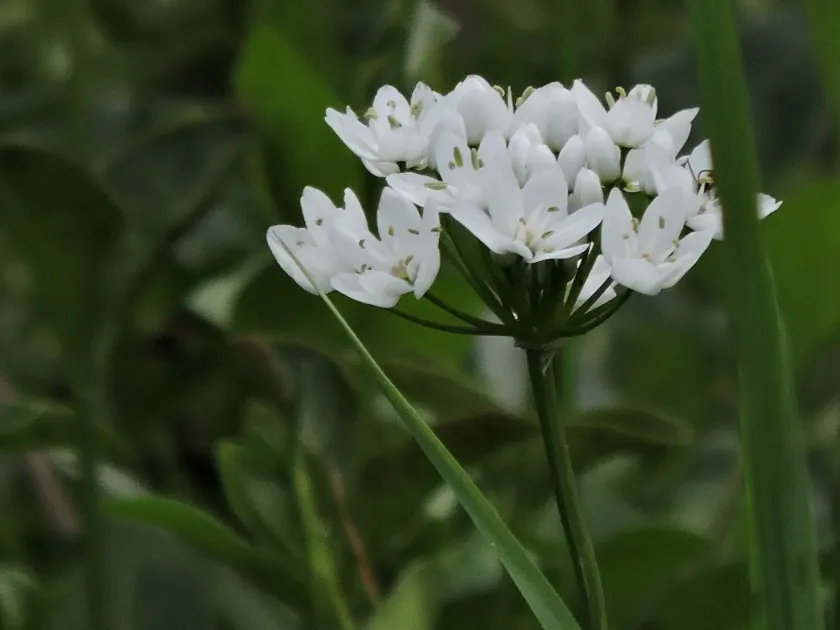
Description
Sowing dates
Planting Neapolitan garlic bulbs is typically performed in the autumn, allowing the roots to establish before the ground freezes in colder climates.
In regions with mild winters, bulbs can be planted in early spring, provided the soil has warmed up sufficiently and excess moisture has drained.
The ideal planting depth is approximately 8 to 10 centimeters, which provides adequate protection against temperature fluctuations during the transition seasons.
Spacing should be managed to ensure each bulb has at least 10-15 centimeters of room, promoting healthy foliage development and preventing overcrowding.
For best results in garden beds, ensure the site is prepared with organic amendments to improve soil structure before placing the bulbs in their holes.
Growing requirements
Allium neapolitanum belongs to the Amaryllidaceae family and thrives best in locations that receive full sun for at least six to eight hours a day.
Well-drained soil is a strict requirement for this species, as it is highly susceptible to bulb rot when grown in heavy, waterlogged clay soils.
The plant originates from the Mediterranean basin, which dictates its preference for moderate temperatures and a distinct dry spell during the summer dormancy.
Maintenance involves minimal irrigation; the soil should be allowed to dry out between watering sessions to ensure the long-term health of the bulbs.
Low-nitrogen, balanced fertilizers should be applied sparingly during the early spring to support the development of its characteristic star-shaped flowers.
Main diseases and pests
The most common issues for this ornamental bulb are fungal pathogens, specifically gray mold and basal rot, which thrive in damp, poorly ventilated areas.
Onion maggots represent a significant threat to the plant, as they burrow into the bulb, making it vulnerable to secondary bacterial infections.
Aphids can occasionally colonize the flower stalks, causing distortion and potentially transmitting viral diseases between neighbouring plants.
To prevent these threats, it is advised to practice crop rotation and ensure that the planting site has optimal airflow and excellent drainage properties.
Routine monitoring and the removal of any diseased or damaged bulbs during the planting season are critical for maintaining a healthy and aesthetic display.