
Narcissus-flowered onion
Allium narcissiflorum
Description
Growing requirements
Narcissus-flowered onion (Allium narcissiflorum) is a perennial bulbous plant belonging to the Amaryllidaceae family. Originating from the mountain regions of the Alps, it is highly valued for its natural resistance to cold and its unique, drooping bell-shaped flowers.
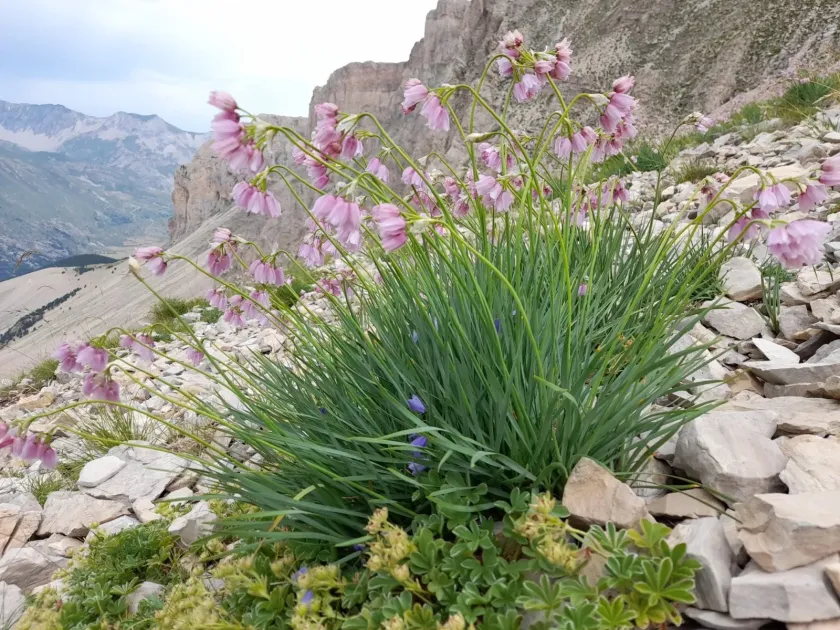
The botanical structure of the plant is characterized by slender, grass-like leaves and robust scapes that terminate in beautiful, clustered inflorescences. The flowers range from pale pink to deep rose-purple, making it a staple in specialized rock garden cultivation.
The cultural success of this species depends heavily on providing a well-draining, stony substrate. In a domestic or agricultural setting, incorporating coarse sand or grit into the soil profile is essential to prevent moisture accumulation near the bulb base.
This crop thrives in open, sunny exposures that mimic the high-altitude alpine environment. It is fully hardy and requires minimal intervention if the site conditions meet its specific needs for aeration and drainage during the dormant phase.
Maintenance involves providing moderate hydration during the active growing season. Once the blooming cycle is complete, the plant enters a period of dormancy, during which it should be kept relatively dry to prevent physiological stress or fungal development.
Main diseases and pests
The most significant threat to Allium narcissiflorum is the onset of basal rot and other fungal pathogens triggered by waterlogged soil. Maintaining proper hydraulic conductivity in the growing medium is the primary defense strategy against these diseases.
Onion maggots and thrips are the most common pests affecting the vitality of the plant. Monitoring the foliage during the early spring and implementing integrated pest management ensures the plant remains vigorous throughout the flowering season.
Botrytis or grey mold can develop during seasons with high atmospheric humidity. Ensuring proper planting density and spacing between individual plants will enhance airflow and reduce the humidity levels around the foliage.
Nematode infestations can lead to irregular plant growth and stunted development. It is crucial to procure planting material only from reputable sources and inspect bulbs for signs of infestation before integrating them into the soil.
Small mammals and rodents may target the bulbs during the winter period. Utilizing physical barriers such as subterranean wire baskets can effectively protect the root systems from such destructive foraging.