
Maire's onion
Allium mairei
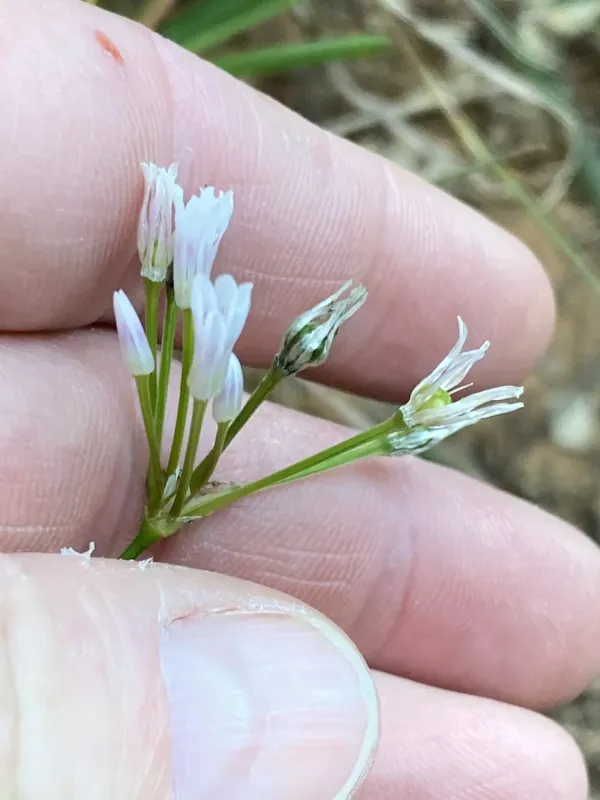
Description
Sowing dates
Sowing seeds of Maire's onion is typically conducted in late autumn or early spring after a period of cold stratification. Seeds are sown at a depth of no more than 1 cm in a loose substrate with excellent drainage.
To accelerate germination, it is recommended to keep the seeds in cool conditions at approximately +4°C for several weeks. This practice simulates the natural winter conditions of its high-mountain habitat.
When sowing in containers, it is crucial to ensure sufficient light exposure, as seedlings require intense illumination to develop a robust root system. Pricking out is performed after the appearance of the first two true leaves.
Transplanting to the open ground is carried out only after the threat of night frosts has passed, provided the plants were grown indoors. Bulbs adapt quickly to new conditions if the irrigation regime is followed strictly.
The optimal planting pattern involves spacing the bulbs approximately 10-15 cm apart, which allows the plants to grow freely and prevents excessive humidity around the base.
Growing requirements
Maire's onion belongs to the Amaryllidaceae family (subfamily Allioideae) and is a perennial herbaceous plant. In its natural habitat, it is found on high-altitude slopes and meadows in China and neighboring regions.
For full development, the crop requires well-lit areas with direct sunlight. The plant tolerates shade poorly, which leads to leggy stems and a lack of flowering.
Soil requirements include light, permeable soil with a neutral or slightly alkaline pH. Rocky or sandy substrates are ideal for preventing water stagnation.
The species possesses high resistance to temperature fluctuations typical of alpine ecosystems. It prefers a cool summer and survives harsh winter conditions well, provided there is snow cover.
Watering should be moderate during the growing season and virtually non-existent during the dormancy period. Excessive soil moisture is the primary cause of basal rot in the bulb.
Main diseases and pests
The main threat to Maire's onion comes from fungal diseases caused by waterlogged substrates. Powdery mildew and various types of rot can attack the plant if cultivation techniques are neglected.
Pests such as the onion fly can pose a threat to young plantings. Regular inspections of the plants and the removal of damaged specimens help to prevent the spread of infections.
Slugs and snails often damage the delicate leaves in conditions of high humidity. To control them, growers use biological methods or restrict evening watering.
Poor ventilation between plants promotes mold growth, so mulching with fine gravel is recommended. This protects the bulb from direct contact with damp soil.
Preventive treatment of planting material with fungicides before planting significantly reduces the risk of root rot during the early growth stage.