
Portuguese onion
Allium lusitanicum
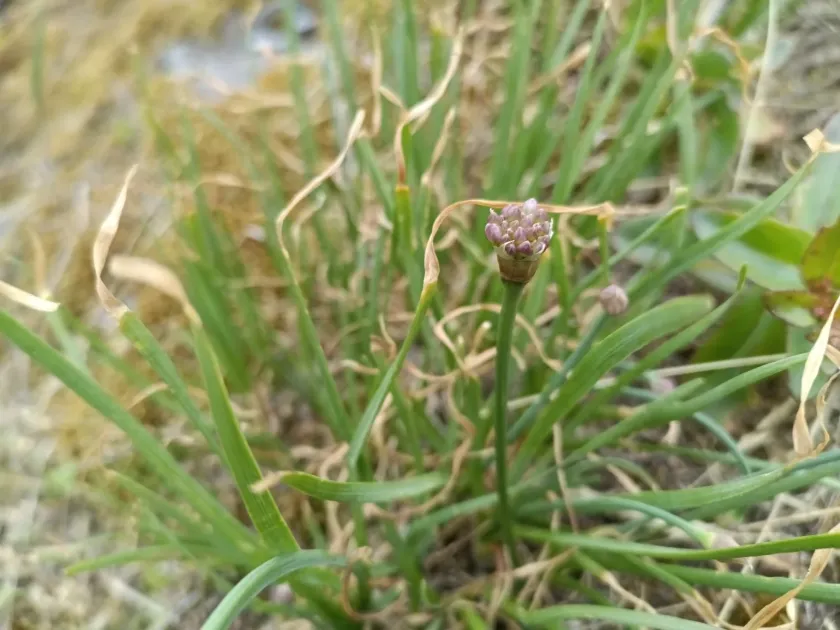
Description
Sowing dates
Sowing Portuguese onion seeds in open ground is typically done in early spring, once the soil has warmed up to at least 10 degrees Celsius. April is generally considered the optimal month to ensure sufficient moisture for seed germination.
If you prefer using the seedling method, sow the seeds in containers indoors as early as late February or March. This approach yields stronger plants by late May, which is the ideal time for transplanting them into their permanent outdoor location.
Seed depth should not exceed 1.5 centimeters. It is crucial to maintain a gentle watering regime, preferably using a fine mist spray, to prevent the tiny seeds from being washed too deeply into the soil layers where they may struggle to emerge.
To accelerate germination, you can cover the seedbeds with agricultural fleece or plastic wrap to create a mini-greenhouse effect. As soon as the first shoots appear, remove the cover immediately to provide necessary light and ventilation.
Maintain a spacing of about 30 to 40 centimeters between rows. This spacing allows the plants to develop into healthy, dense clumps without competing for essential nutrients or light as they mature through the season.
Growing requirements
The Portuguese onion is a member of the Amaryllidaceae family and is recognized as a hardy, perennial herbaceous plant. Its evolutionary roots in rocky, mountainous regions of Western Europe make it exceptionally resilient to challenging environments.
This species thrives in areas with full, direct sunlight. While it is tolerant of partial shade, excessive shade can lead to leggy growth and a noticeable decline in the plant's overall decorative and culinary quality.
The plant is not overly demanding regarding soil type, but it performs best in light, well-draining loam or sandy soils with a neutral to slightly alkaline pH. Good drainage is vital, as stagnant water can easily lead to root rot.
It possesses significant cold tolerance and can endure harsh winters, provided there is a reasonable layer of snow or protective mulch. This adaptability makes it an excellent choice for gardens located in temperate climate zones.
Basic maintenance includes consistent weeding and inter-row cultivation to keep the soil aerated. During extended dry spells, supplemental irrigation is necessary to maintain moisture in the root zone without creating waterlogged conditions.
Yield
The yield of Portuguese onion is primarily measured by the volume of green foliage harvested throughout the growing season. The total productivity is highly dependent on soil fertility and the frequency of proper harvesting.
Optimal yields are usually achieved once the plant reaches its third or fourth year, at which point it forms a robust and mature clump. These mature plants are capable of producing multiple harvests within a single growing cycle.
In intensive cultivation, gardeners can expect two to three harvest cycles per season. It is critical to allow a recovery period of 3 to 4 weeks between each harvest to ensure the plant can replenish its energy reserves.
Culinary uses are diverse; the young leaves are highly valued for their delicate flavor, making them an excellent addition to salads, soups, and various spring dishes. They serve as a nutrient-rich, pungent herb.
Post-harvest storage of fresh leaves is limited, typically lasting only a few days in a cool, refrigerated environment. For long-term storage, freezing or drying are the preferred methods to preserve the onion's flavor and biological properties.
Main diseases and pests
The most common disease threats include fungal infections such as downy mildew and onion rust. These are particularly problematic in poorly ventilated or overly dense plantings, emphasizing the need for proper spacing.
Pests like the onion fly represent a significant threat to this crop, as the larvae feed on the underground parts of the plant. Preventive measures include strict crop rotation and applying wood ash around the base of the clumps.
Thrips can also infest the plants, causing visible white streaks and leaf deformation by sucking the plant's sap. If infestations become severe, the use of organic insecticidal soaps is recommended to mitigate the damage.
Root rot often occurs if the soil is too damp or if nitrogen fertilizer is applied in excess, which promotes soft, vulnerable tissue. A balanced approach with potash and phosphate fertilizers is more beneficial for long-term health.
Regular monitoring of the garden is essential for early pest and disease detection. Removing affected foliage or entire plants immediately can prevent the spread of infections to neighboring healthy plants.
Harvesting
Harvesting is performed by carefully cutting the foliage with a sharp, sanitized blade, leaving about 3 to 5 centimeters of the base above the soil. This technique is vital to protect the growing point and ensure future regrowth.
The first harvest can begin once the leaves have reached approximately 15 to 20 centimeters in height. In warmer regions, growth may start very early in the season, often allowing for fresh greens by mid-spring.
For home use, harvesting is usually done selectively, picking only the largest and most succulent leaves as needed. This selective approach provides a constant, fresh supply of herbs throughout the growing season.
As the season nears its end, stop all harvesting activities. Allowing the plant to retain its remaining foliage helps it accumulate sufficient nutrients in the rootstock, which is necessary for successful overwintering.
Use clean tools to avoid cross-contamination. After a harvest, it is beneficial to provide light watering and a slight cultivation around the base to stimulate the next flush of new green growth.