
Kurrat
Allium kurrat
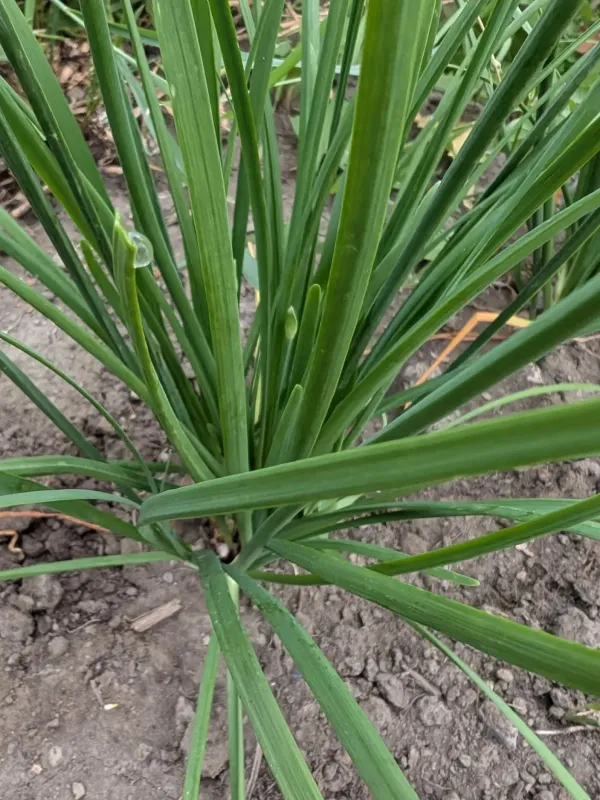
Description
Sowing dates
Kurrat (Allium kurrat), also known as Egyptian leek, is a hardy perennial belonging to the Amaryllidaceae family. It is predominantly cultivated as an annual or biennial crop, valued primarily for its broad, succulent leaves and delicate flavor profile.
Sowing should take place in early spring once the risk of severe frost has passed and soil temperatures have reached 12-15 degrees Celsius. Seeds are typically sown in rows about 20-30 cm apart to ensure adequate airflow and room for development.
The sowing depth should remain shallow, typically around 1-2 cm. Given the small size of the seeds, covering them with a light layer of compost or fine soil helps retain moisture and promotes uniform germination across the bed.
Successional planting is recommended to ensure a steady supply of fresh greens throughout the growing season. By sowing new batches every few weeks, growers can maintain a continuous harvest until the heat of late summer or the onset of autumn.
The initial stage of growth is critical, as seedlings are sensitive to weed competition. Proper mulching or manual weeding during the first month of development significantly improves the overall vigor of the crop.
Growing requirements
Kurrat thrives in warm, sunny locations with well-drained, fertile soil. A pH range between 6.0 and 7.0 is ideal for maximizing nutrient uptake and ensuring healthy foliage development.
Water management is the most important factor in its cultivation. While the plant is somewhat drought-tolerant once established, regular and deep watering is necessary to produce the tender, succulent leaves that characterize a high-quality harvest.
Organic matter such as well-rotted manure or compost should be incorporated into the soil before planting. Supplemental nitrogen applications during the vegetative phase encourage rapid regrowth after cutting.
The crop is highly adapted to warm climates and prefers temperatures between 20 and 25 degrees Celsius. In areas with extreme heat, providing partial shade during the hottest part of the day can prevent the leaves from drying out prematurely.
Adequate spacing and proper ventilation are essential to prevent the buildup of humidity, which can lead to fungal infections. Avoiding overhead irrigation can also reduce the risk of leaf diseases.
Yield
The yield potential of Kurrat is quite high due to its remarkable ability to regenerate foliage after harvesting. Multiple harvests can be obtained from a single planting, significantly increasing productivity.
Harvesting usually begins when the plants reach a height of 25-30 cm. By cutting the leaves cleanly near the base, the plant is stimulated to produce new growth, often allowing for several consecutive cuts throughout the season.
Yields are maximized by ensuring consistent soil moisture and nutrient availability. In well-managed commercial settings, high-density planting combined with drip irrigation can result in impressive biomass production.
Proper harvest technique is vital for sustained yields. Using sharp, sanitized blades prevents damage to the crown of the plant, which would otherwise hinder future leaf production and lead to potential rot.
Post-harvest management is equally important, as the leaves should be chilled immediately to maintain their texture and nutritional quality for the market.
Main diseases and pests
Common threats to Kurrat include downy mildew and various types of soil-borne rots, especially when the planting area is poorly drained or subject to high humidity. Prevention through site selection and hygiene is key.
Pests such as the onion fly and various species of thrips can damage the foliage and stunt growth. Integrated pest management strategies, including the use of sticky traps and beneficial insects, are preferred over chemical treatments.
- Downy mildew — appears as gray or white patches on leaves.
- Onion fly — larvae feed on the roots and base.
- Thrips — cause silvering and distortion of the leaves.
- Fusarium wilt — leads to yellowing and decay of the plant base.
- Root aphids — weaken the plant in heavy, wet soil conditions.
Maintaining a strict crop rotation schedule—avoiding the planting of any Allium species in the same spot for at least three years—is the most effective way to break the life cycles of most soil-borne pathogens.
Cleaning up crop debris immediately after the final harvest removes potential habitats for overwintering pests and disease spores, keeping the field healthy for the next season.
Harvesting
Harvesting is a manual process that involves cutting the leaves roughly 3-5 cm above the soil level. This ensures the plant remains intact and capable of pushing out new foliage for subsequent cuts.
Harvesting in the early morning is highly recommended, as the leaves are fully turgid and have the highest quality. Freshly harvested greens should be kept out of direct sunlight and moved to a cool environment as soon as possible.
Kurrat is prized for its mild, garlic-like flavor, which is less pungent than standard leeks or bulb onions. It is a staple in many Middle Eastern dishes, often used in salads, stir-fries, and stews.
Because the harvested leaves are perishable, they must be brought to market quickly. Packaging in breathable containers or refrigeration can extend the shelf life for a few days.
The culinary versatility of the plant makes it a valuable crop for market gardeners who supply local restaurants and farmers' markets with high-quality, fresh, and aromatic greens.