
Allium kollmannianum
Allium kollmannianum
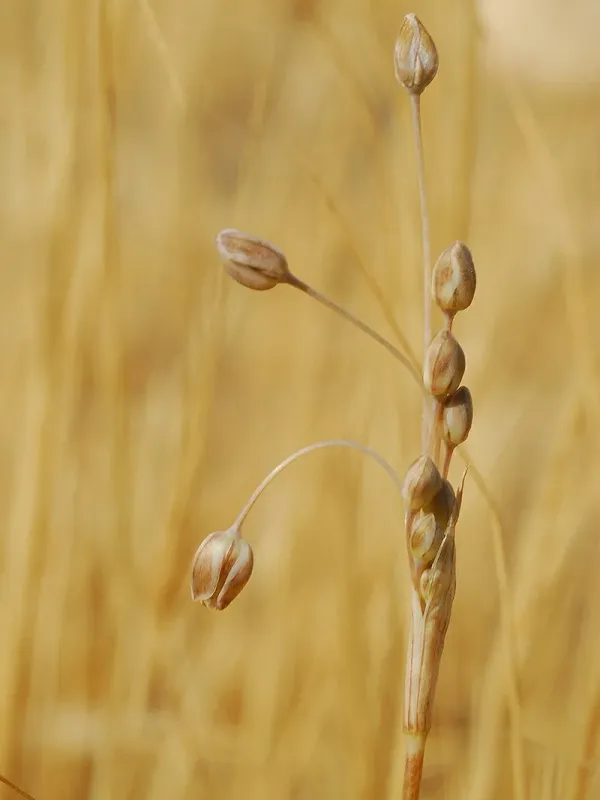
Description
Sowing dates
Allium kollmannianum is a member of the Amaryllidaceae family. This perennial herb originates from the Middle East, specifically adapted to the arid and semi-arid landscapes of its native range.
In cultivation, seeds are best sown in autumn, which allows for natural stratification during the winter months. The soil temperature should ideally drop to approximately 10–12 degrees Celsius to trigger germination processes.
When using a nursery or greenhouse approach, sowing is performed in late winter. This ensures that the root system is well-established before the seedlings are transplanted into the open field during the spring season.
Site selection is critical; the plants require full sun exposure to thrive. Shade can lead to leggy growth and significantly reduced bulb development, making open, sunny spots the preferred choice for this crop.
Seed depth should be kept shallow, typically 1 to 2 centimeters. Maintaining consistent soil moisture is essential until the first cotyledons emerge, as young plants are particularly sensitive to desiccation.
Growing requirements
This species is highly adapted to Mediterranean-type climates, characterized by dry summers and mild, moist winters. It shows remarkable tolerance to intermittent droughts after it has passed the establishment phase.
Soil drainage is the most vital requirement for Allium kollmannianum. The plants are highly susceptible to bulb rot if grown in heavy or poorly drained soils that retain water for extended periods.
The ideal soil pH is neutral or slightly alkaline. In acidic environments, the growth rate is often retarded, and the plants may exhibit signs of nutrient deficiency, particularly affecting foliage color and development.
Temperature management is key to successful development. While the plant can handle some chill, extreme frost during the active growth phase in early spring can damage the forming floral structures.
Fertilization should be balanced, with a focus on potassium and phosphorus. These minerals help in the synthesis of structural components and assist the plant in surviving periods of environmental stress.
Main diseases and pests
Fungal pathogens represent the most significant threat to Allium kollmannianum. Species within the Fusarium and Rhizoctonia genera are known to cause root and basal rot, particularly in damp conditions.
Nematodes are another serious concern, as they feed on the root system, causing plant decline and making it susceptible to secondary infections by soil-borne bacteria or fungi.
Onion flies (Delia antiqua) pose a risk as their larvae tunnel into the basal plate of the bulb. Preventing such infestations requires careful crop monitoring and the prompt removal of infected debris.
Integrated Pest Management (IPM) strategies, including proper crop rotation and the use of resistant varieties where available, are highly recommended to minimize the reliance on chemical pesticides.
When chemical intervention is necessary, fungicides should be applied preventatively at the seed stage, while insecticides must be selected based on their safety profile for the specific growth stage of the onion.