
Crimson Onion
Allium kermesinum
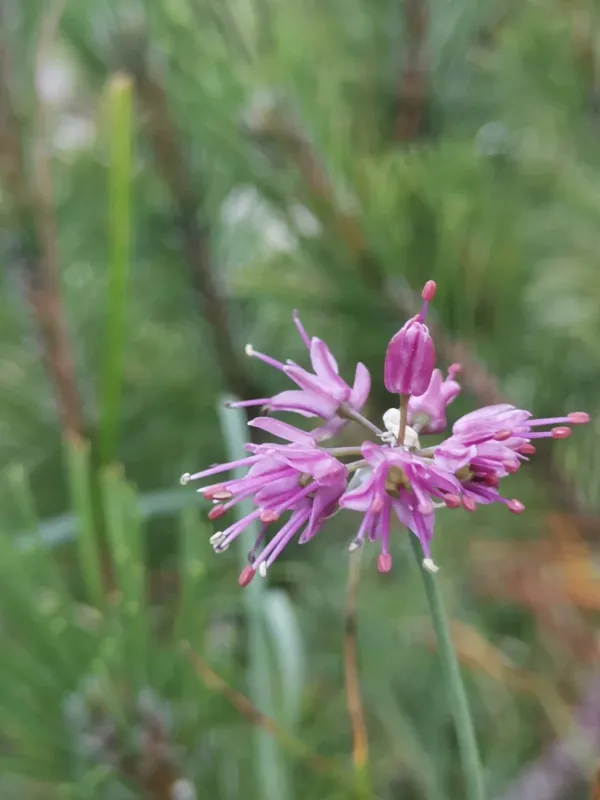
Description
Growing requirements
Crimson onion (Allium kermesinum) is a member of the Amaryllidaceae family. This rare species originates from the eastern Alpine regions, where it thrives in rocky, high-altitude environments, exhibiting a unique resilience to harsh mountain climates.
The plant requires well-draining, gritty, or sandy soils to prevent bulb rot. It is sensitive to soil compaction and waterlogging, making proper drainage design a fundamental requirement for successful cultivation in garden environments.
Sunlight is crucial for the development of Allium kermesinum. To achieve the deep crimson color of its flowers, the plant must be positioned in a location that receives full solar exposure throughout the majority of the day.
This species is highly cold-hardy, adapted to survive freezing winter temperatures beneath a blanket of snow. In gardening practice, it is ideally suited for alpine rock gardens or containers that mimic its native scree habitats.
From a horticultural standpoint, the plant is primarily used as an ornamental species. Its relatively small stature and vibrant blooms make it an excellent choice for specialists and collectors focused on high-alpine flora and rock garden aesthetics.
Main diseases and pests
The primary threats to Allium kermesinum are fungal pathogens such as downy mildew and bulb rot. These conditions are typically precipitated by poor air circulation and excessive soil moisture, particularly during the dormant season.
Pests such as the onion fly pose a significant risk, particularly to young specimens. Integrated pest management strategies, including the physical removal of infected plants and the use of targeted biological controls, are recommended to protect the crop.
Root nematodes can also infect the bulbs, resulting in stunted growth and chlorosis. Sanitation practices, such as sterilizing tools and using clean potting substrates, are essential to prevent the spread of soil-borne pathogens.
Weed competition can easily overwhelm this delicate species, hindering its growth and reducing its vigor. Regular maintenance to keep the planting area clear of competing vegetation is vital during the active growing season.
Prevention remains the most effective management tool. By ensuring optimal spacing, providing superior drainage, and maintaining a dry environment during the plant's rest period, gardeners can minimize the necessity for chemical intervention.