
Allium inutile
Allium inutile
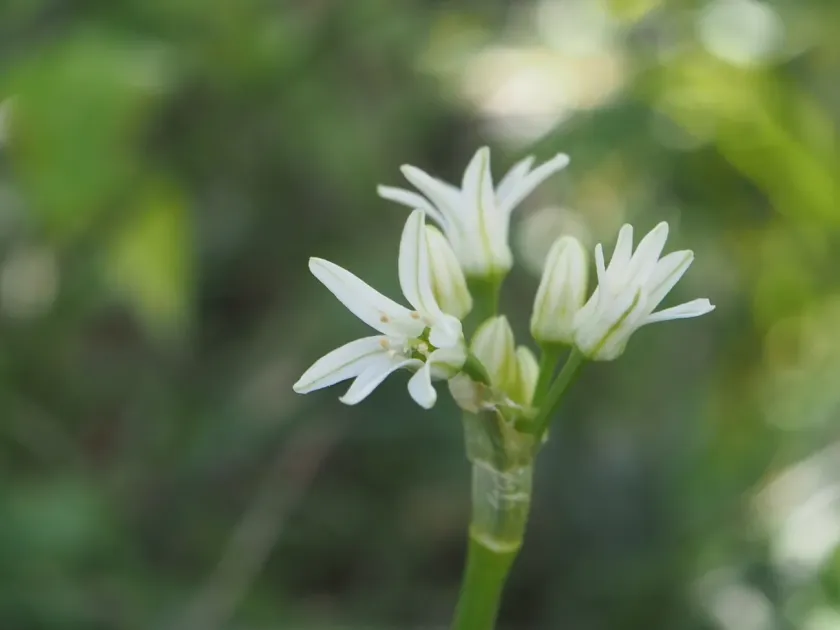
Description
Sowing dates
Allium inutile is a herbaceous perennial species belonging to the Amaryllidaceae family. Despite its common name, it represents a specific biological type within the genus Allium, characterized by its unique growth cycle.
Sowing should be performed in early spring when soil temperatures stabilize at approximately 10 degrees Celsius. Seed dormancy requirements often necessitate a period of cold stratification to ensure uniform and high-percentage germination.
The sowing depth is crucial for this species; seeds should be covered with 1 cm of light, sandy loam soil. This depth ensures that the emerging hypocotyl does not exhaust its energy reserves before reaching the surface.
When sowing in field rows, a distance of at least 20 cm between lines is recommended. This spacing allows for proper ventilation, which is vital for preventing the development of fungal infections in the seedlings.
During the first year of growth, the plants develop a small, dormant bulb. Proper irrigation during this establishment phase is critical, but the soil must be well-drained to prevent any risk of root saturation.
Growing requirements
This species requires full solar exposure to maximize photosynthetic output. Locations with partial shade often lead to elongated leaf growth and reduced vigor in the development of the subterranean bulb.
The soil structure should be loose and friable, preferably with an organic matter content of 3–5%. A neutral soil pH range (6.5 to 7.2) is considered optimal for nutrient uptake and root system health.
Allium inutile is highly adaptable to temperate climates with distinct seasonal cycles. It shows a natural ability to survive winter dormancy, provided the soil is insulated by a sufficient layer of organic mulch or snow.
Water requirements are moderate throughout the vegetative growth period. It is essential to avoid waterlogged conditions, as the species is highly susceptible to hypoxia in the root zone if the soil remains saturated for too long.
Fertilization regimes should prioritize phosphorous and potassium over nitrogen. Excessive nitrogen supply can promote lush vegetative growth at the expense of bulb quality and disease resistance.
Main diseases and pests
The most significant threats to the crop include fungal pathogens such as Peronospora destructor (downy mildew). These pathogens thrive in high-humidity environments, especially when air circulation is inadequate.
Pests like the onion maggot (Delia antiqua) can cause severe damage by feeding on the bulb tissue. Integrated pest management strategies, including the use of sticky traps and beneficial nematodes, are often effective.
Thrips are another common pest that damages the epidermis of the leaves, weakening the plant's overall energy production. Monitoring thrip populations is essential, especially during the dry summer months.
Soil-borne diseases such as Fusarium basal rot pose a constant challenge in older fields. Implementing a strict crop rotation schedule, avoiding other Allium species for several years, is the best prevention method.
Cultural control practices, such as removing crop debris after harvest, significantly reduce the inoculum pressure for the following season. Maintaining healthy soil biology helps mitigate the impact of common soil-borne pathogens.