
Insubrian onion
Allium insubricum
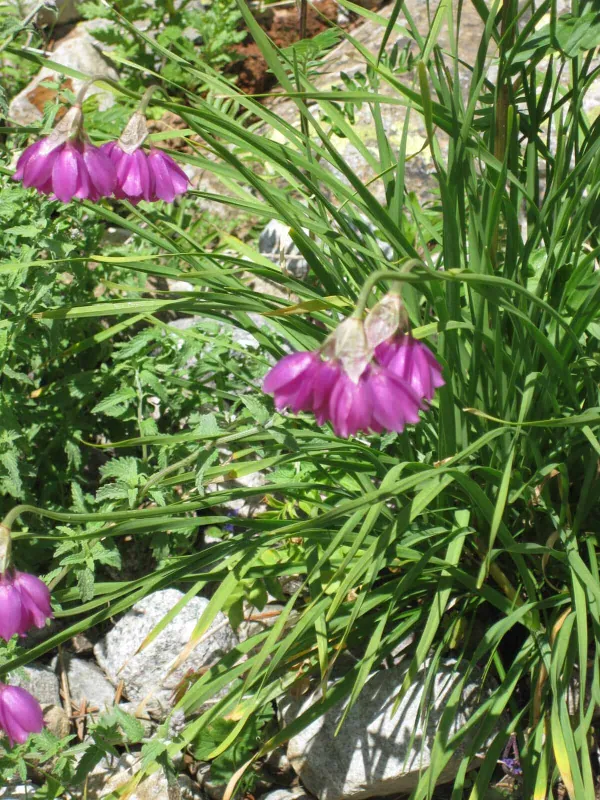
Description
Sowing dates
Allium insubricum is an attractive bulbous perennial belonging to the Amaryllidaceae family. The most effective way to grow this species from seed is to sow it in late autumn, allowing the cold winter temperatures to provide the necessary natural stratification for successful germination.
When sowing in spring, seeds must be artificially stratified in a refrigerator at approximately +4°C for at least 4–6 weeks. Seeds should be sown shallowly, about 0.5–1 cm deep, into a well-draining, gritty soil medium.
Seedlings may emerge sporadically; therefore, maintaining consistent moisture in the germination tray is essential. Using a greenhouse or cold frame can protect the delicate young shoots during the initial stages of development.
Vegetative propagation via bulb division is another reliable method. This should be performed during the dormant season, once the foliage has completely withered, ensuring that the bulbs are carefully separated to avoid damage to the basal plate.
Planting density is crucial for healthy development. Bulbs should be spaced at least 10–15 cm apart to ensure good air circulation, which prevents the build-up of humidity that can lead to fungal infections in the crowded foliage.
Growing requirements
Originating from the alpine meadows of Italy, this species thrives in conditions that mimic its native rocky, high-altitude habitat. It performs best in sunny positions with partial shade during the intense heat of the day.
The soil must be light, porous, and exceptionally well-draining. In heavy or waterlogged soil, the bulbs will quickly rot. It is highly recommended to incorporate coarse sand, grit, or crushed stone into the planting hole to improve drainage.
Moisture management is a delicate balance. While the plant requires water during its active growing phase in spring, it must be kept relatively dry during the dormant summer and winter months to prevent rotting of the bulbs.
Allium insubricum displays significant cold hardiness. In regions with severe winters, a light mulch of dry leaves or straw can provide extra protection, but it is important to avoid materials that trap excessive moisture against the crown.
Avoid heavy fertilization. High nitrogen levels can cause weak, succulent growth, making the plants more susceptible to physiological stress and pathogen attack. Use a balanced, low-nitrogen fertilizer only if absolutely necessary.
Main diseases and pests
Fungal diseases, particularly basal rot and various forms of bulb rot, are the most significant threats to Allium insubricum. These issues are almost always caused by excessive soil moisture and poor drainage patterns in the garden.
Onion fly larvae (Delia antiqua) represent a serious pest risk. These larvae bore into the bulbs, causing the plant to suddenly collapse. Regular monitoring and, if necessary, the use of mesh covers can help protect the plants.
Slugs and snails can cause significant aesthetic and physiological damage to the foliage during the wet spring months. Implementing physical barriers or using pet-safe molluscicides can help manage these populations effectively.
Poor circulation between plants creates microclimates conducive to mildew and other pathogens. Thinning out overgrown clumps during the dormant season is a standard horticultural practice to ensure long-term plant health.
Sanitation is key to managing threats; any plant material that shows signs of decay or yellowing should be promptly removed and discarded far from the planting site to avoid the spread of soil-borne pathogens.