
Allium inaequale
Allium inaequale
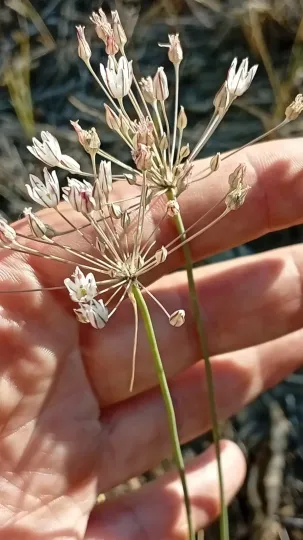
Description
Growing requirements
Allium inaequale is a perennial bulbous plant belonging to the Amaryllidaceae family. Originating from the mountainous and arid regions of Central Asia, it has adapted to specific environmental conditions characterized by sharp temperature fluctuations.
This species thrives in well-drained, sandy, or rocky soils, avoiding areas where water stagnation occurs. The natural habitat includes slopes and foothills where high soil permeability prevents the rot of the bulbs during the dormancy period.
The botanical structure of the plant is defined by its uneven pedicels, which differentiate it from other species within the Allium genus. Its narrow, linear leaves are physiologically adapted to survive in environments with low rainfall and high solar radiation.
Cultivation requires minimal nitrogen fertilization, as the species is adapted to nutrient-poor, rocky substrates. It is a slow-growing plant that prioritizes the accumulation of nutrients in the bulb during the short spring vegetation cycle.
Regarding its use, this species is mainly of botanical and potential horticultural interest. Due to its resistance to drought, it is studied for breeding programs aimed at creating more resilient varieties for arid agricultural regions.
Main diseases and pests
The primary threat to Allium inaequale is root rot caused by fungal pathogens such as Fusarium. These diseases typically develop when soil moisture levels exceed the plant's capacity for drainage, leading to bulb decomposition.
Pests such as onion flies and soil-dwelling nematodes represent significant threats to the crop. These organisms can severely damage the basal plate of the bulb, causing physiological decline and secondary infections.
Preventive measures include the selection of high-quality, disease-free planting material and careful management of irrigation cycles. Ensuring proper airflow around the canopy is essential to prevent foliar infections during humid spring days.
Weed control is critical during the initial stages of development. As a slow-developing plant, Allium inaequale cannot effectively compete for light and nutrients, requiring consistent manual or mechanical intervention.
General plant health is maintained by practicing crop rotation and avoiding the planting of other species in the same family in the same plot, which helps to prevent the buildup of species-specific pests in the soil.