
Onion hybrids
Allium hybrids
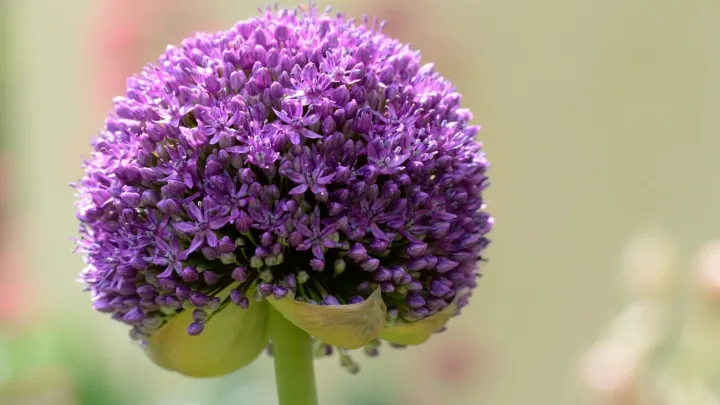
Description
Sowing dates
Sowing of onion (Allium cepa) F1 hybrid seeds in open fields typically occurs in early spring, once soil temperatures reach 5-8 degrees Celsius. In regions with shorter growing seasons, transplanting seedlings is a preferred method to ensure bulbs reach full maturity before autumn.
In warmer climates, winter cropping is common, where seeds are sown in autumn to allow for establishment before dormancy. This practice enables growers to harvest high-quality bulbs early in the following season when market prices are generally favorable.
Careful selection of sowing dates is vital, as different hybrid maturities require specific developmental windows. Adhering to the local agro-calendar prevents bolting caused by temperature fluctuations and ensures that bulb initiation coincides with peak light intensity.
Seeds should be sown at a depth of 1.5–2 centimeters in well-compacted soil to ensure capillary moisture reach. Modern precision pneumatic seeders are essential for achieving optimal spacing, which directly correlates with the uniformity of the harvested crop.
Targeting a plant density between 800,000 and 1,000,000 plants per hectare is standard for modern hybrid varieties. Excessive density can lead to smaller bulb sizes and higher humidity levels within the canopy, increasing the risk of fungal outbreaks.
Growing requirements
Onions belong to the Amaryllidaceae family and are highly dependent on photoperiod for bulb formation. As light-loving plants, they require consistent exposure to sun, as shading can significantly delay bulb maturation and decrease overall quality.
The ideal soil profile for onion cultivation consists of well-drained sandy loam or silt loam with a neutral pH between 6.5 and 7.5. Heavy clay soils are generally avoided due to poor drainage and physical resistance, which can hinder root development and bulb expansion.
Water management is critical, particularly during the bulb-bulking phase. Implementing drip irrigation systems provides consistent moisture, preventing water stress which is a common cause of cracked scales or double-centered bulbs in hybrid varieties.
Fertilization programs must be driven by soil testing. Nitrogen is crucial in the vegetative growth phase to build the leaf area, while potassium is essential for bulb maturation and enhancing storage potential by strengthening the outer protective skins.
Weed management and soil aeration are integral parts of the cultural practices. Onions possess a limited root system and do not compete well, making early-season weed control an absolute necessity to prevent yield reduction.
Yield
With intensive management and the use of high-performance F1 hybrids, yield potential can range from 80 to 120 tons per hectare. This high yield is a result of improved hybrid vigor, which provides uniform development and resilience to environmental stressors.
The uniformity of modern hybrids allows for efficient mechanical harvesting and sizing. This reduces post-harvest losses and ensures that the final product meets the high visual standards required for commercial markets and long-term storage.
Yield stability is heavily influenced by the hybrid's genetic resistance to local diseases and its ability to withstand temporary abiotic stressors like drought. Fast early growth is a primary indicator of a successful yield, as it allows the crop to dominate the soil space.
Maximizing marketable yield relies on the quality of the starting material. Professional F1 seeds offer superior germination rates and energy, which are the foundations for a successful crop cycle and consistent performance across the entire field.
Fertigation during critical growth stages optimizes nutrient uptake. Providing constant access to essential minerals and water prevents growth "stalls," ensuring the hybrid reaches its maximum potential size and weight before senescence.
Main diseases and pests
The onion fly (Delia antiqua) is a primary pest, with larvae causing significant damage to the bulb base. Effective control involves a combination of seed treatments and targeted insecticide applications during the adult fly's flight period.
Downy mildew (Peronospora destructor) is the most devastating disease in humid conditions. It appears as a greyish mold on the foliage, and without prompt fungicide application, it can lead to total crop failure by destroying the leaf apparatus.
Neck rot is a major storage-related issue caused by fungi infecting the bulb through an improperly dried neck. Proper drying and curing after harvest are the most effective cultural controls for preventing the spread of this pathogen in storage units.
Fusarium basal rot thrives in warm, moist soils and leads to root decay and wilting. Managing this threat requires robust crop rotation, careful irrigation management, and the use of disease-resistant hybrid varieties.
Common threats include:
- Onion fly (Delia antiqua)
- Downy mildew (Peronospora destructor)
- Thrips (Thrips tabaci)
- Neck rot (Botrytis allii)
- Fusarium basal rot (Fusarium oxysporum)
Harvesting
Harvesting begins when 50-70% of the onion tops have naturally fallen over, indicating that the bulb has reached maturity. Harvesting too early can result in a thick, fleshy neck that is highly susceptible to infection and poor storage stability.
Following lifting, bulbs are typically windrowed in the field for several days of curing. This process allows the outer scales to dry and the neck to constrict, forming a protective seal that prevents the entry of rot-inducing pathogens.
Mechanical harvesting involves specialized onion harvesters that carefully lift and top the bulbs. Precision in machinery settings is vital to avoid bruises or cuts to the protective scales, which are essential for maintaining the shelf life of the harvest.
Post-harvest curing is completed in ventilated storage facilities where forced air removes excess moisture. This stage is critical for ensuring the skins are dry and intact, which significantly improves the quality and commercial value of the crop.
Storage conditions must be strictly regulated at temperatures near 0-1 degree Celsius to maintain dormancy. Proper climate control prevents premature sprouting and fungal development, extending the marketability of the hybrid onions for several months.