
Spotted onion
Allium guttatum
Description
Growing requirements
Spotted onion (Allium guttatum) belongs to the Amaryllidaceae family. This perennial herb is native to the Mediterranean region, the Balkans, and parts of the Black Sea coast, where it thrives in natural, uncultivated habitats.
The plant grows best in well-drained, rocky, or sandy soils. It is highly resistant to drought, making it an excellent candidate for cultivation in arid climates where water resources are restricted and standard crops struggle.
Regarding climate, Allium guttatum requires full sun exposure to complete its full life cycle. It is sensitive to waterlogging, so soil aeration and natural drainage are critical for maintaining healthy bulb development throughout the season.
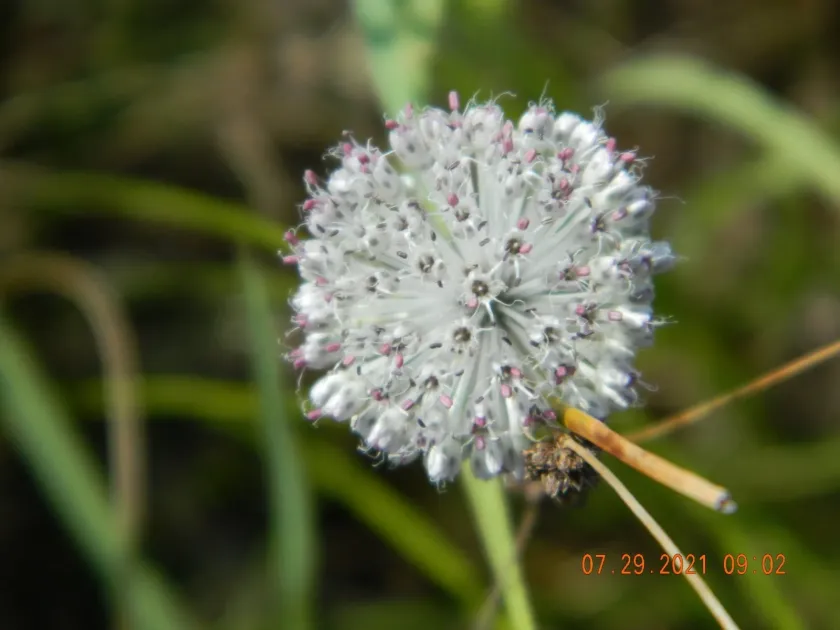
Botanically, it features slender, linear leaves and a dense, spherical or hemispherical umbel of flowers. Its aesthetic qualities, combined with its resilience, have made it a subject of interest for both specialized botanical gardens and wild harvesting.
Cultivation practices involve minimal disturbance of the soil and careful spacing to ensure proper air circulation around the foliage, which reduces the incidence of humidity-related disorders.
Main diseases and pests
The primary threats to Allium guttatum are fungal pathogens, specifically those causing root and bulb rot under excessively damp conditions. Downy mildew is a significant risk if leaf wetness persists for extended periods.
Insect pests such as onion maggots (larvae of the onion fly) and thrips pose a consistent threat to plant health. They cause direct tissue damage, which serves as an entry point for various secondary pathogens.
Cultural control measures include crop rotation and ensuring that planting sites have high permeability. Avoiding excessive fertilization helps maintain a more robust, disease-resistant plant structure.
Regular monitoring of the plots for yellowing leaves or stunted growth is essential. Once detected, localized removal of infected plants can help prevent the spread of diseases across the entire planting area.
Integrated pest management strategies should be prioritized, focusing on the use of physical barriers and beneficial insects to naturally reduce the pressure from harmful species without over-relying on chemical inputs.