
Allium grosii
Allium grosii
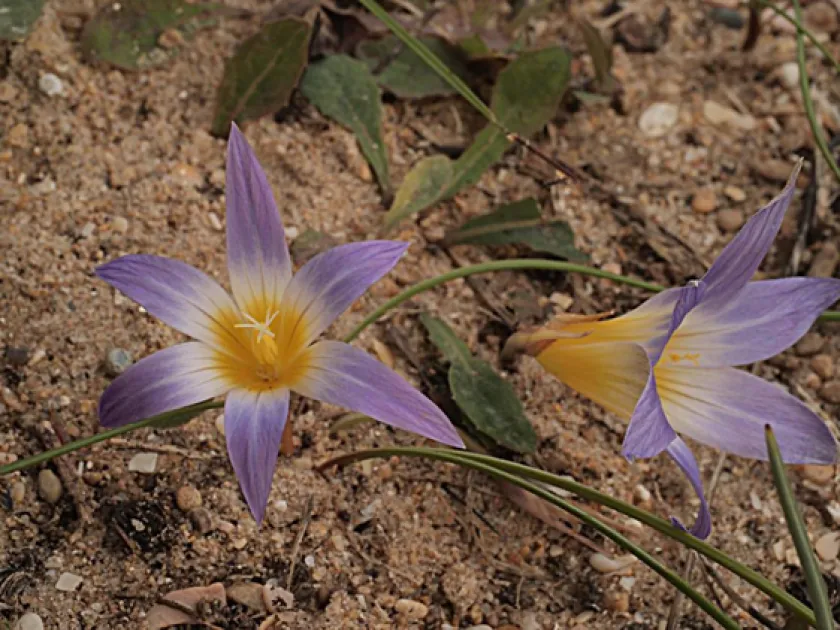
Description
Sowing dates
Allium grosii is a perennial bulbous plant belonging to the Amaryllidaceae family. It is a rare botanical species primarily native to the Mediterranean region, with specific distribution documented on the Balearic Islands.
As a geophyte, the plant follows a seasonal cycle adapted to the Mediterranean climate. The ideal period for sowing seeds or planting bulbs is in autumn, allowing the plants to establish root systems before the onset of the colder season.
Cultivation requires well-drained, sandy, or rocky soil. The plant thrives in substrates that replicate its natural habitat, avoiding heavy clay soils that retain excessive moisture and compromise bulb health.
Seeds should be sown at a depth of 1 to 2 centimeters. Light watering is necessary for germination, but care must be taken to maintain a balance, as excessive moisture in the early stages can lead to damping-off issues.
Proper spacing is essential to ensure adequate airflow between plants. This prevents the buildup of humidity, which is critical during the initial growth phase when the young plants are most susceptible to environmental stress.
Growing requirements
Allium grosii demands full sun exposure to flourish. It requires bright, direct light to accumulate the energy needed for its flowering cycle, making it unsuitable for shaded or semi-shaded garden areas.
The species prefers neutral to slightly alkaline soil conditions. It is highly adapted to mineral-rich, stony soils that provide excellent drainage, a key factor in preventing bulb decay during the dormant summer months.
Temperature management should follow its native climate cycle. While it is hardy in many respects, it requires a dry summer dormancy period where the soil is kept relatively arid to mimic its natural biological triggers.
Nutrient requirements are modest compared to common agricultural crops. Over-fertilization, especially with nitrogen-heavy products, should be avoided as it encourages excessive leaf growth at the expense of bulb formation.
Aeration is a critical requirement for successful cultivation. Regular weeding and surface soil cultivation help maintain healthy root activity and ensure that the bulb receives sufficient oxygen throughout the growing season.
Main diseases and pests
The primary threats to Allium grosii are fungal pathogens, specifically those causing basal rot and Fusarium. These issues are almost exclusively associated with improper watering and poor soil drainage.
Insect pests, such as onion flies or various aphids, may occasionally infest the plants. These pests can cause direct damage to the foliage and also serve as vectors for secondary bacterial or fungal infections.
Control measures involve a preventive strategy: maintaining strict moisture control and ensuring the plants have a well-defined dry rest period. If an infestation occurs, targeted application of appropriate insecticides is recommended.
Cultural control is highly effective for this species. This includes removing dead foliage after the growing season and ensuring the area is free of weeds that could compete for nutrients or trap moisture near the bulbs.
Periodic monitoring is advised, particularly during the transitions between wet and dry periods. Observing the foliage for signs of chlorosis or premature yellowing can provide an early warning of potential underground issues.