
Geyer's onion
Allium geyeri
Description
Sowing dates
Geyer's onion (Allium geyeri) is a perennial herbaceous plant belonging to the Amaryllidaceae family. It is native to North America, typically found in moist meadows and montane regions.
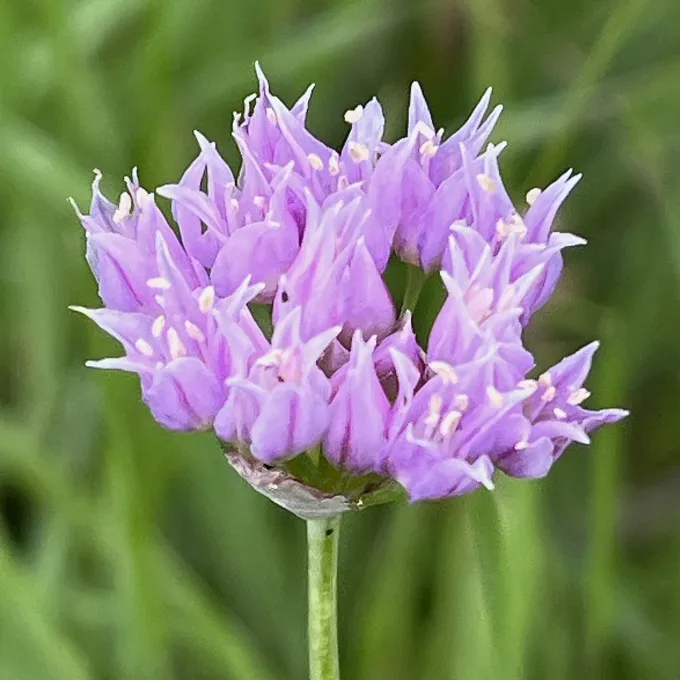
The plant is characterized by its small, elongated bulbs protected by a distinct reticulated tunic. The slender stems produce attractive umbel-shaped flower clusters during the summer.
Historically, the bulbs of this onion were gathered by indigenous peoples as a reliable food source. Today, it remains an interesting species for botanical study and niche horticultural projects.
Seed propagation is most successful when performed in late autumn, allowing for natural stratification. Seeds require consistent moisture and cold temperatures to break dormancy effectively.
When planting bulbs, it is important to bury them at a depth of 5 to 7 centimeters. This ensures proper insulation and protects the bulbs from extreme weather fluctuations.
Growing requirements
Geyer's onion thrives in well-drained soil types. It is highly sensitive to waterlogged conditions, which frequently lead to root rot and poor bulb development during the growing season.
The species prefers full sun to light partial shade. Adequate exposure to sunlight is essential for the plant to reach its full flowering potential and bulb size.
Soil pH levels should remain neutral or slightly acidic. Enriching the soil with organic compost promotes healthier growth but should be done in moderation to avoid excessive nitrogen levels.
Good weed control is mandatory, as this species is not highly competitive against vigorous weeds. Regular, shallow cultivation of the soil helps aerate the earth around the bulbs.
Consistent watering during the active growth phase is required, but irrigation should be tapered off as the foliage begins to yellow. This helps the plant enter its dormancy phase properly.
Main diseases and pests
The primary threats to Allium geyeri include fungal pathogens such as Fusarium wilt. These diseases are most prevalent in soils that lack proper drainage or suffer from high humidity.
Pests, particularly onion maggots, pose a significant risk to the bulbs. Infestations can spread quickly, requiring immediate intervention or the removal of affected plants.
Downy mildew may affect the foliage during cool, damp weather conditions. Improving air circulation around the plants is a critical preventive measure against this leaf disease.
Nematodes are another potential problem, as they can weaken the root system. Practicing crop rotation is the most effective way to maintain soil health for this species.
General hygiene, such as removing debris after harvest, prevents overwintering of pests and pathogens. Keeping the planting area clean is vital for long-term productivity.
Harvesting
Harvesting should occur once the foliage has completely withered and turned brown. This timing indicates that the bulb has reached maturity and finished its nutrient storage phase.
Bulbs should be lifted carefully using a garden fork to prevent cuts or bruises. Damage to the outer skin can significantly reduce the shelf life of the harvested onions.
After harvesting, allow the bulbs to cure in a shaded, well-ventilated area for several days. This process hardens the protective tunic and prevents decay during storage.
Store the bulbs in a cool, dry place. Proper ventilation is key to ensuring the onions remain viable for several months throughout the winter season.
The culinary applications of Geyer's onion are varied, as the flavor is relatively mild compared to commercial varieties. It is often used raw or pickled to preserve its unique characteristics.