
Yellow onion
Allium flavum
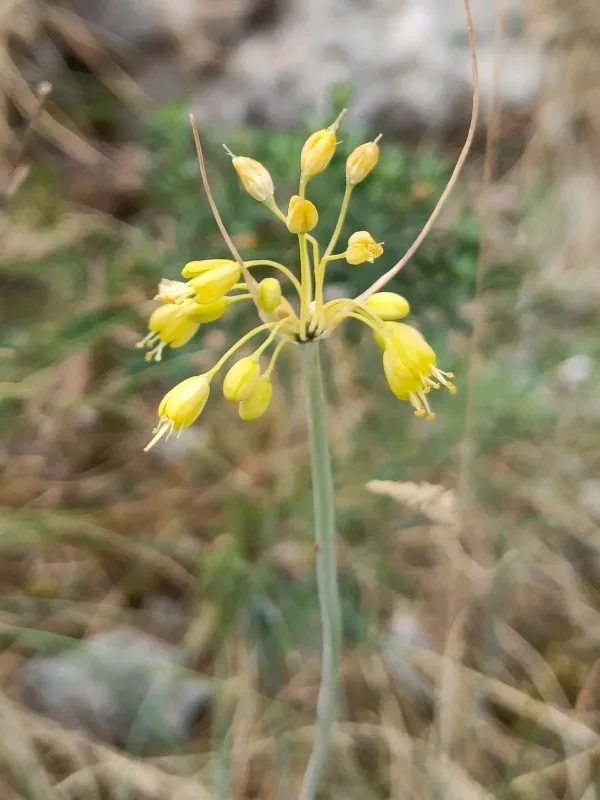
Description
Sowing dates
Seeds of Allium flavum should ideally be sown in the autumn, allowing them to undergo natural stratification during the winter months.
For spring sowing, seeds must be artificially stratified at cold temperatures for approximately 6 to 8 weeks to improve germination rates.
The seeds are typically planted at a shallow depth of about 1 centimeter, ensuring the soil surface is kept lightly moist until germination occurs.
Vegetative propagation via offsets is a reliable method, with offsets separated and replanted during the dormant phase in late summer or early autumn.
Proper spacing is crucial for airflow; planting offsets at least 15 centimeters apart helps prevent fungal issues in the crowded clusters.
Growing requirements
Allium flavum, commonly known as the yellow onion or small yellow onion, belongs to the Amaryllidaceae family and originates from Eurasia.
This species thrives in full sun, requiring at least six to eight hours of direct light daily to maintain its structural integrity and vibrant yellow color.
Well-drained, sandy, or gritty soil is essential; the plant is highly sensitive to waterlogged conditions, which will quickly cause the bulb to rot.
It is exceptionally drought-tolerant once established, making it a perfect candidate for xeriscaping or rock garden environments.
The plant requires minimal fertilization; an application of low-nitrogen fertilizer in early spring is sufficient to support healthy foliage and flower production.
Main diseases and pests
The primary concern for Allium flavum is fungal pathogens, specifically those causing basal rot when soil moisture levels are consistently too high.
Onion flies (Delia antiqua) can be a significant pest, as their larvae burrow into the bulbs, causing the foliage to wilt and eventually collapse.
Aphids occasionally colonize the flower stalks, which can be managed with insecticidal soaps or by maintaining healthy predator populations in the garden.
Thrips may cause silvery streaks on the leaves; regular monitoring and weeding around the plants help reduce their potential impact.
Effective management strategies include ensuring adequate spacing and removing any plant debris to prevent the overwintering of pathogens and pests.
Harvesting
Harvesting seeds involves waiting until the flower stalks and seed pods have turned brown and dry, which typically occurs in late summer.
Carefully collect the pods and thresh them to extract the black seeds, ensuring they are thoroughly dried before long-term storage in cool conditions.
For decorative use, flower stems are cut when the blooms are fully open, as they retain their shape and color for a considerable time in floral arrangements.
When harvesting bulbs for division, it is best to wait until the foliage has naturally withered, indicating that the plant has entered dormancy.
Clean the bulbs gently, remove loose soil, and store them in a well-ventilated, dry area protected from extreme temperature fluctuations until replanting.