
Feinberg onion
Allium feinbergii
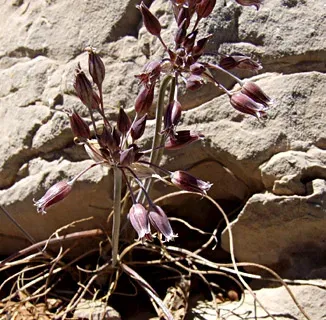
Description
Growing requirements
The Feinberg onion (Allium feinbergii) is a perennial bulbous plant belonging to the Amaryllidaceae family. It is a niche species native to the arid landscapes of the Middle East, primarily identified in the Levant region, where it has adapted to harsh environmental conditions.
Botanically, this species is characterized by thin, linear leaves and a small, resilient bulb. The plant is evolved to thrive in rocky, calciferous soils where water retention is extremely low and thermal stress is significantly high throughout the growing season.
Regarding climate, Allium feinbergii requires high levels of solar radiation and is highly intolerant to high humidity levels. It thrives in regions with hot, dry summers and mild winters, making it a specialized candidate for xeriscaping and sustainable agriculture in arid climates.
Soil requirements are strict: the cultivation site must provide excellent drainage. Clay soils or those with high water-holding capacity are unsuitable unless significantly amended with sand or gravel to prevent the bulb from rotting during unexpected damp periods.
In terms of agricultural use, the Feinberg onion is primarily of interest for genetic research, particularly for breeding programmes aimed at developing drought-tolerant varieties of commercial onions. Additionally, it serves a role in arid-zone botanical gardening as a hardy, low-maintenance ornamental species.
Main diseases and pests
The primary threats to Allium feinbergii are fungal diseases exacerbated by stagnant water in the root zone. Root rot and damping-off are common if the drainage of the soil profile is compromised or if the site experiences prolonged periods of high ambient humidity.
Pest pressure mainly comes from onion maggots (Delia antiqua) and various species of nematodes that can infest the bulb. These pests can rapidly destroy the root structure, leading to premature yellowing and collapse of the vegetative parts.
Integrated pest management should focus on cultural controls, such as site selection and proper spacing. Ensuring adequate airflow between plants reduces the risk of fungal infections and creates an environment less conducive to insect reproduction.
Preventive measures include the application of inert mulches like coarse sand or stone chips, which keep the plant's crown dry. Monitoring for signs of insect activity, such as wilting or discolored foliage, is critical during the peak spring growth phase.
In cases of infestation, removing and destroying affected bulbs is necessary to prevent the spread of pathogens. Chemical intervention is rarely recommended for this species due to its sensitivity, making preventative hygiene the most effective management strategy.