
Dictyoprasum onion
Allium dictyoprasum
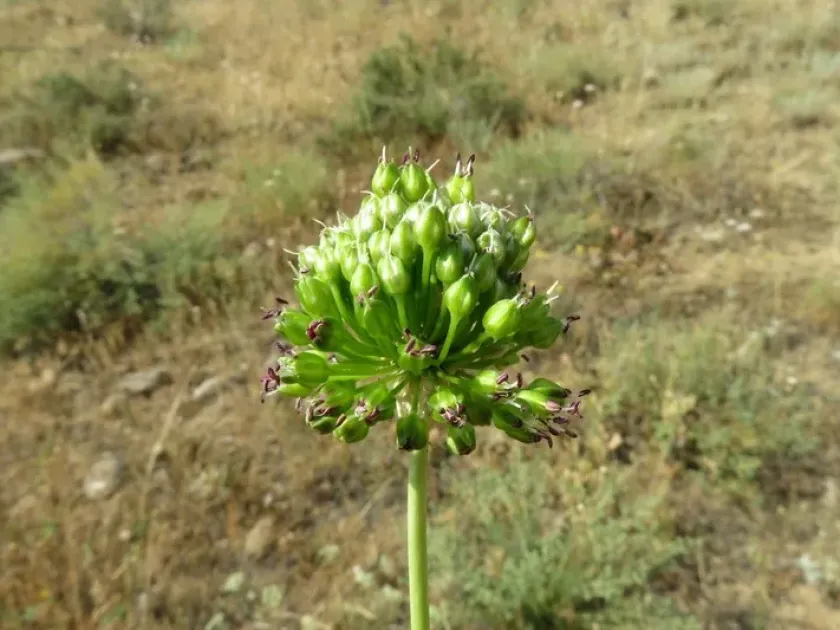
Description
Growing requirements
The dictyoprasum onion (Allium dictyoprasum) is a perennial herbaceous plant belonging to the Amaryllidaceae family, specifically the Allioideae subfamily. It is native to the mountainous regions of Western Asia, where it thrives in rocky, well-drained environments.
Botanically, it is characterized by its distinct bulb, which is covered by reticulated, net-like tunics. This feature distinguishes it from many common cultivated onions. The plant typically features slender, channeled leaves and produces a compact, spherical umbel of flowers atop a stiff scape.
When cultivated, this species requires full sun exposure and prefers alkaline, stony, or sandy soils. It is highly drought-tolerant, making it an excellent candidate for xeriscaping or gardens in arid climates where water conservation is necessary.
Agricultural management should focus on preventing waterlogging, which is detrimental to the health of the bulb. The plant is hardy and adapted to significant diurnal temperature variations, reflecting its high-altitude native habitat.
While not a major commercial crop, the dictyoprasum onion is valued in culinary contexts for its sharp, distinctive flavor and in ornamental horticulture for its unique inflorescences. It serves as a genetic resource for breeding programs aiming to develop drought-resistant onion varieties.
Main diseases and pests
The primary threats to Allium dictyoprasum include fungal pathogens such as downy mildew and basal rot, particularly if the soil remains excessively moist during the growing season. Proper drainage is essential to mitigate these risks.
Pests like onion maggots and thrips can cause significant damage to the plant's structural integrity. Implementing integrated pest management strategies, such as crop rotation and the removal of plant debris, is vital for maintaining a healthy and productive stand.