
Decaisne's onion
Allium decaisnei
Description
Growing requirements
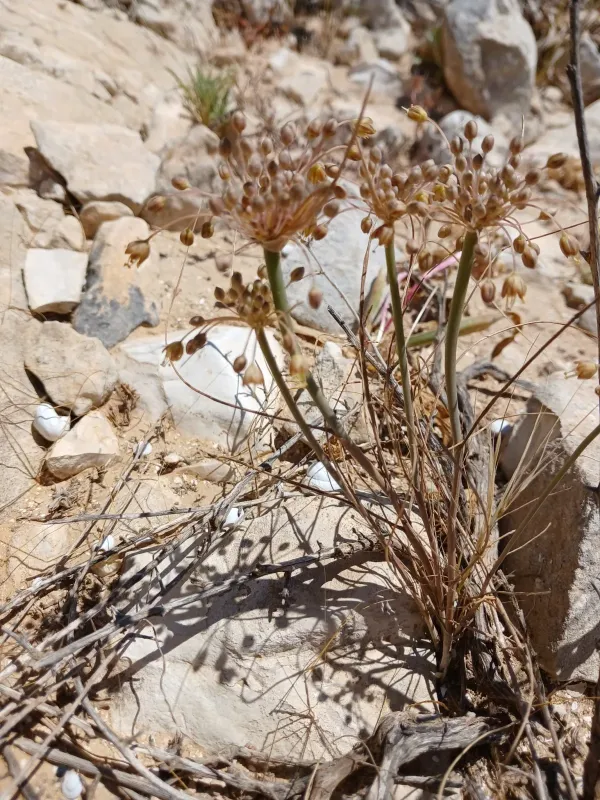
Decaisne's onion (Allium decaisnei) is a perennial herb belonging to the Amaryllidaceae family. Originating from the mountainous regions of the Middle East, specifically areas spanning Syria and Lebanon, this species is well-adapted to rugged, arid landscapes.
Botanically, the plant is characterized by its slender foliage and bulb structure, which is an evolutionary adaptation to surviving long periods of summer drought. The plant typically blooms with delicate inflorescences that reflect the distinct floral architecture common to the genus Allium.
Successful cultivation requires soil that mimics its natural habitat: it must be exceptionally well-draining, rocky, and lean. Heavy, moisture-retentive soils are detrimental to the plant as they lead to rapid rot of the bulb and root system during dormant or wet periods.
The species demands a full-sun location to thrive. Proper exposure to solar radiation is essential not only for the vegetative growth but also for the maturation of the bulbs and the formation of flower stalks in the subsequent seasons.
In terms of practical application, Decaisne's onion is primarily of interest to botanical collectors and horticultural enthusiasts. It serves as an excellent candidate for rock gardens and specialized xeriscaping projects where low-water, high-drainage conditions are prioritized.
Main diseases and pests
The primary threats to Allium decaisnei include fungal infections like downy mildew and basal rot, which are almost exclusively caused by improper irrigation practices or poor soil drainage. Maintaining a dry neck for the bulb is critical.
Insect pests include the onion maggot and various types of aphids. Vigilant inspection of the leaf axils and soil surface around the bulbs is recommended to prevent infestations that could potentially weaken or destroy the plant cluster during the growing season.