
Allium cyrilli
Allium cyrilli
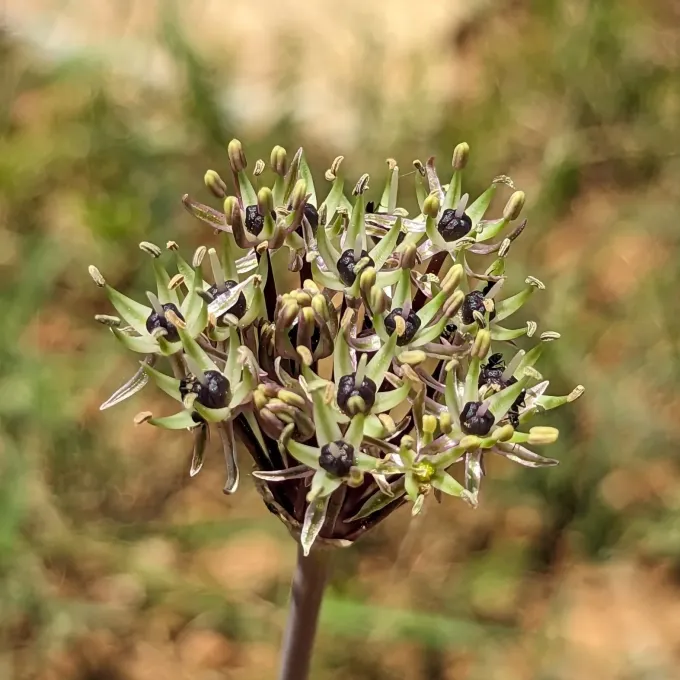
Description
Sowing dates
Planting of Allium cyrilli is typically executed in the autumn season to ensure that the bulbs undergo necessary cooling for spring development.
The ideal period for sowing or bulb placement is between September and October, depending on the specific climatic zone and soil temperature.
Seeds can be sown in late autumn, allowing for natural stratification throughout the winter months in a well-prepared seedbed.
Bulbs should be planted at a depth of approximately 10 centimeters to protect them from extreme fluctuations in soil temperature.
Proper spacing of at least 25 centimeters between specimens is recommended to prevent overcrowding and to promote optimal airflow around the plants.
Growing requirements
Allium cyrilli is a member of the Amaryllidaceae family, naturally occurring in Mediterranean regions with dry and rocky environments.
The plant thrives in full sun exposure and requires a location that receives at least six to eight hours of direct sunlight daily.
Soil requirements focus on excellent drainage; sandy or gritty substrates with an alkaline pH are preferred to replicate the native habitat.
Excessive humidity during the dormancy period in summer can be detrimental, often leading to rot if the drainage is not sufficient.
Once established, the plant demonstrates significant drought tolerance, making it an excellent candidate for xeriscaping or rock garden designs.
Yield
While not a traditional commercial crop, Allium cyrilli offers reliable vegetative growth and ornamental value in diverse gardening applications.
Bulb multiplication happens naturally, with mature plants producing offsets that can be separated every few years to expand the collection.
The green foliage is most vigorous during the early spring season, providing early-season productivity before the onset of the heat.
Yield improvement is achieved through minimal intervention, focusing primarily on maintaining correct soil structure and nutrient levels.
The long-term productivity of the bulb depends on the plant's ability to store energy during the growth cycle before going dormant in mid-summer.
Main diseases and pests
The primary threats to this species involve fungal pathogens that proliferate in poorly drained soils, particularly in the root zone.
Onion maggots and thrips are the most common insect pests, capable of causing significant damage to the plant's structural integrity.
Integrated pest management strategies should be applied, focusing on biological controls and proper site selection to avoid past infestations.
Preventive measures such as soaking bulbs in a fungicide solution before planting can reduce the risk of soil-borne diseases significantly.
- Use of well-draining soil mixes.
- Avoiding excessive nitrogen fertilizers.
- Prompt removal of decaying plant matter.
Harvesting
Harvesting for propagation purposes takes place once the foliage has turned yellow and withered completely, signaling the start of dormancy.
Carefully lifting the bulbs with a garden fork prevents bruising, which could lead to secondary infections during storage periods.
After excavation, the bulbs must be cleaned of excess soil and cured in a shaded, airy location for several days to harden the outer layers.
Proper storage is essential to maintain the viability of the bulbs; they should be kept in a cool, dry environment with constant airflow.
Regular inspection of stored bulbs is recommended to remove any damaged units, ensuring the overall health of the collection throughout the off-season.