
Allium circinatum
Allium circinatum
Description
Sowing dates
Allium circinatum is an endemic bulbous plant from Crete, requiring precise conditions that mimic its natural Mediterranean mountain habitat for successful germination.
Seeds are typically sown in late autumn, allowing the natural cycles of cooling and warming to trigger the developmental processes of the embryo.
A fast-draining substrate, rich in grit or coarse sand, is essential for sowing, as it prevents the seed from rotting in the damp, cool soil.
Seeds should be covered with only a thin layer of substrate, roughly 0.5 centimeters, to ensure they do not suffocate under heavy soil pressure.
Moderate but consistent humidity must be maintained throughout the germination phase, avoiding both dehydration and waterlogging of the seed bed.
Growing requirements
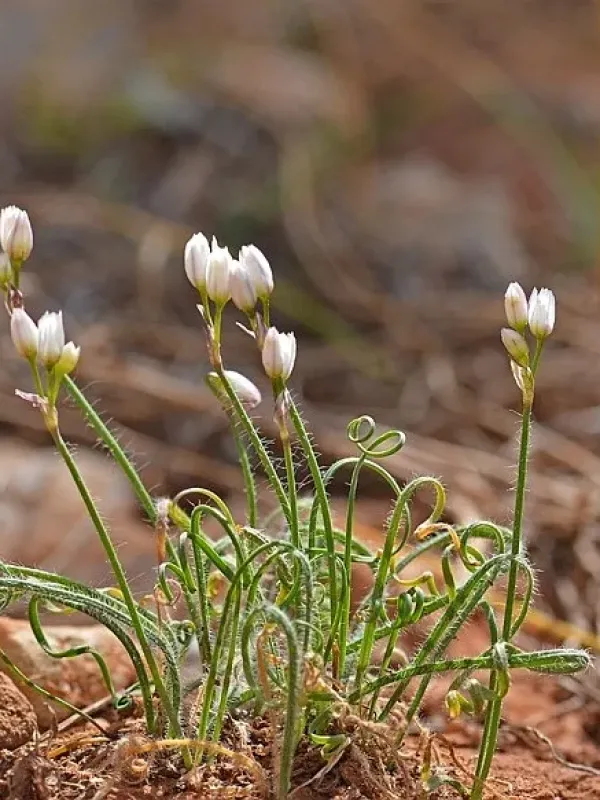
This species is a member of the Amaryllidaceae family and is distinguished by its unique, spirally curved foliage that defines its scientific name.
The plant demands full sun exposure to thrive, as any level of shading can inhibit the development of its signature curly leaves.
Soil requirements are strict, focusing on excellent aeration and drainage; the plant cannot tolerate heavy or clay-like soils that retain moisture for too long.
In terms of climate, it is well-adapted to hot, dry summers, during which the plant enters a period of dormancy to survive the heat.
Nutrient requirements are minimal, as the species has evolved to grow in nutrient-poor limestone soils, meaning heavy fertilization is unnecessary and potentially harmful.
Main diseases and pests
The primary threat to the health of Allium circinatum is soil-borne fungal infection caused by inadequate drainage and excessive irrigation.
In controlled environments, pests like aphids can be a concern if the plant is kept in poorly ventilated areas with high humidity levels.
Fusarium rot represents a significant risk if the bulbs are stored or planted in conditions where pathogens can easily spread through moist organic matter.
Cultural prevention remains the best defense, emphasizing the importance of keeping the bulb neck dry and ensuring rapid air movement around the plant.
Mechanical damage during transplanting can create entry points for pathogens, requiring delicate handling of the bulbous root systems.
Harvesting
Harvesting seeds should only occur once the seed heads have turned straw-colored and become completely desiccated on the parent plant.
If harvesting the bulbs for storage or propagation, this must be done during the summer dormancy period after the foliage has fully withered.
Stored bulbs require a dry, airy environment with moderate temperatures to prevent premature sprouting or rot during the dormant stage.
Due to its status as an endemic and rare species, harvest practices are largely restricted to specialized botanical collections and conservationists.
Proper cleaning of the bulbs and ensuring no lingering moisture remains on the outer tunics is critical for maintaining bulb health throughout the storage season.