
Allium chamaemoly
Allium chamaemoly
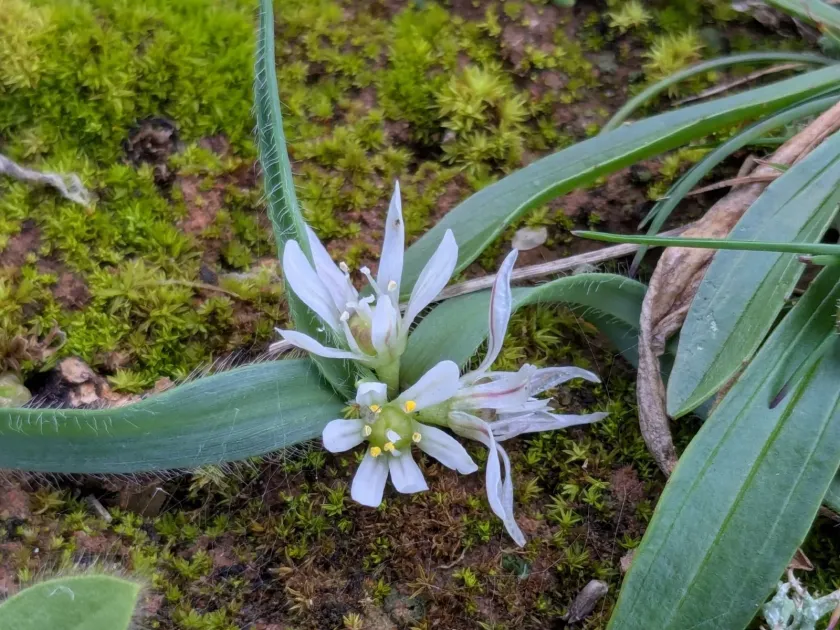
Description
Growing requirements
Allium chamaemoly is a perennial herbaceous plant belonging to the Amaryllidaceae family, specifically the subfamily Allioideae. Native to the Mediterranean region, it is known for its small stature and distinct seasonal development.
Botanically, it is defined by its winter-growing habit. Unlike many other onion species, it initiates its vegetative cycle in the autumn, maintains foliage through the winter, and produces flowers in late winter or early spring.
The plant thrives in well-drained, sandy, or rocky soils. It is highly intolerant of waterlogging, as the bulbs are prone to rot if moisture levels remain high during their dormant summer phase.
Climatic requirements involve a preference for temperate conditions with mild winters. Full exposure to sunlight is mandatory for the plant to successfully complete its life cycle and trigger flowering.
Agricultural management requires a deep understanding of its dormancy. Proper soil drainage must be maintained, and the plant should not be disturbed while it is transitioning between the active growth and dormant stages.
Main diseases and pests
The primary threats include fungal pathogens such as Botrytis or various soft rots caused by excess soil moisture. Ensuring good air circulation and low humidity around the base of the plant is critical.
Insects like onion flies or bulb mites can infest the bulbs if the population density is high or the environment is favorable for pest reproduction. Integrated pest management, focusing on sanitation, is the recommended strategy.