
Allium carolinianum
Allium carolinianum
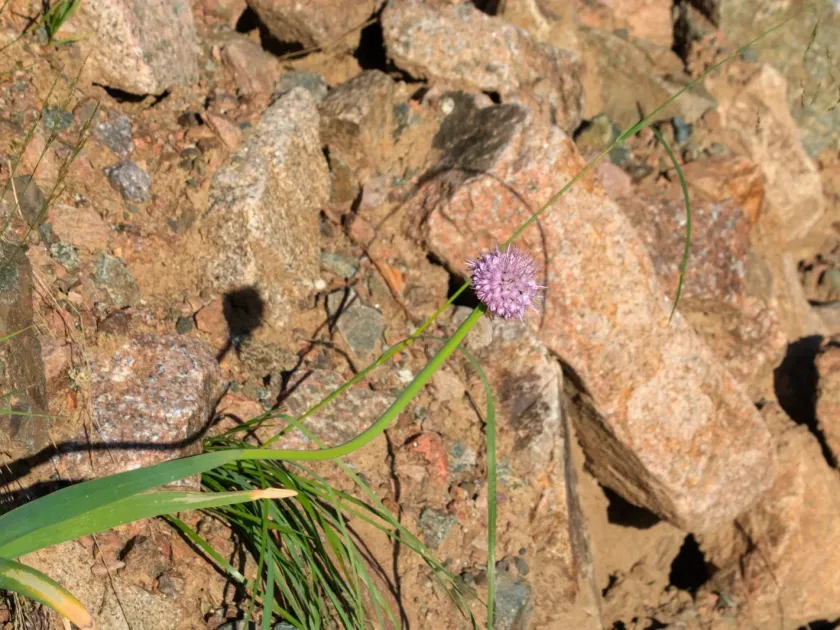
Description
Sowing dates
Sowing Allium carolinianum should ideally occur in the autumn or early spring after a mandatory period of cold stratification. This process mimics the plant's natural mountain habitat cycle and significantly improves germination rates of the seeds.
Seeds are sown at a shallow depth of 1-2 cm in well-draining, loose soil. Maintaining consistent soil moisture during the first several weeks of development is critical, as seedlings are quite delicate until the root system establishes properly.
For container or nursery production, using a high-quality, sterile potting mix is recommended to prevent early-stage damping-off. Transplanting occurs once the seedlings have developed at least two or three true leaves and show sufficient robustness.
In field conditions, spacing should be carefully managed to allow for adequate airflow. Planting in rows with at least 30-40 cm between them helps ensure each individual plant has sufficient space for growth and reduces the risk of humidity-related foliage issues.
Mulching the seedbed with a thin layer of fine gravel or organic material can help stabilize soil temperatures and moisture levels, providing a more reliable environment for young onion plants during the unpredictable transition from winter to spring.
Growing requirements
Allium carolinianum is a perennial member of the Amaryllidaceae family, originating from the high-altitude regions of the Himalayas and Central Asia. It is uniquely adapted to harsh, mountainous conditions, preferring full sun and well-draining, rocky soils.
The plant thrives in alkaline to neutral soil pH. Its primary requirement is excellent soil aeration; waterlogging is detrimental to its health and can quickly lead to root rot and bulb decay, necessitating a site with natural or artificial drainage.
While the plant is remarkably cold-hardy, it performs best in regions where it receives ample sunlight. It is an excellent choice for rock gardens or specialized vegetable plots that mimic the high-alpine conditions of its natural origin.
Irrigation should be moderate. While the plant can tolerate short periods of drought once established, regular water during the peak growing season promotes better foliage density and bulb health. Avoid heavy, stagnant water at all costs.
Soil maintenance involves regular light weeding and shallow cultivation between rows. Because the plant's root system can be shallow, intense mechanical weeding should be avoided to prevent damage to the bulbs and fine root hairs.
Main diseases and pests
Typical fungal pathogens, including downy mildew and botrytis, are the primary threats to Allium carolinianum, particularly in regions with high seasonal humidity or poor site drainage. Preventive ventilation and proper spacing are the best cultural defenses.
Pests such as onion maggots and thrips can cause significant damage. Early detection is essential; yellowing or wilting foliage is often the first sign of an infestation, requiring immediate intervention or the removal of infected plants.
Nematode infestations can also affect the bulbs, resulting in stunted growth and foliage distortion. Crop rotation is highly recommended to manage soil-borne pests and maintain the long-term health of the planting site over multiple seasons.
Insects like aphids can also be attracted to the plant during its flowering phase. While they may not kill the plant, they can spread viruses that significantly reduce the overall vigor and yield of the onion crops.
Maintaining a clean growing area by removing fallen leaves and decaying organic matter is essential. Sanitizing the garden plot at the end of each season helps break the life cycles of most common onion pests and pathogens.