
Keeled garlic
Allium carinatum
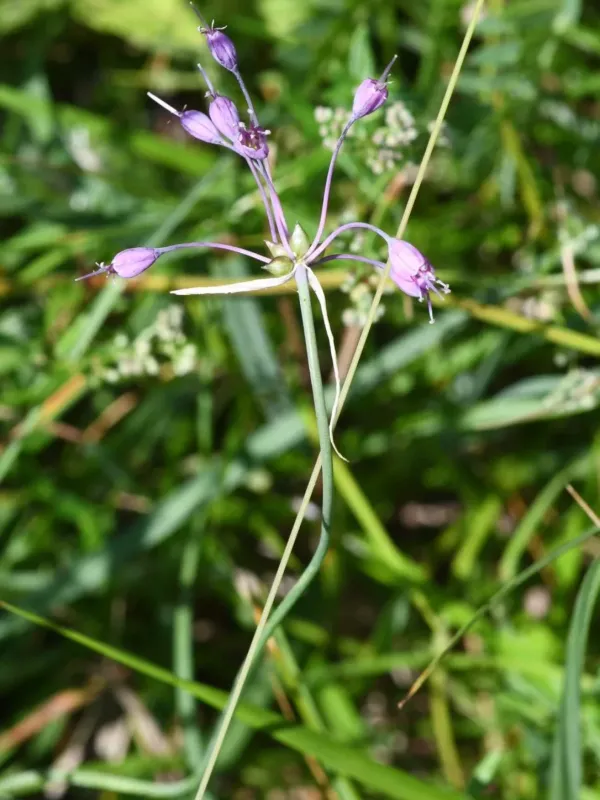
Description
Sowing dates
Keeled garlic (Allium carinatum) is a hardy perennial belonging to the Amaryllidaceae family, frequently cultivated for both ornamental and culinary purposes.
Seeds should be sown in late autumn or early spring, as they require a period of stratification to break dormancy and ensure uniform germination.
Vegetative propagation via bulbils or offsets is the most reliable method, usually performed during the dormant season in autumn or early spring.
Planting depth for bulbs should be approximately 5 to 8 centimeters, ensuring adequate spacing of about 15 to 20 centimeters between plants for optimal development.
The substrate must be light and well-draining, as the plant is susceptible to bulb rot when grown in heavy, waterlogged soils.
Growing requirements
This species thrives in full sun, which is essential for stimulating flower production and maintaining the intensity of its distinct purplish-pink color.
It prefers neutral to slightly alkaline soil conditions and performs well in rocky or well-drained loamy soils, mimicking its natural habitat.
The plant is highly drought-tolerant once established, but providing consistent moisture during the spring growing phase significantly improves foliage quality.
Hardiness is one of its key features, allowing it to survive in cold temperate climates without the need for protective winter covering.
Fertilization should be kept to a minimum; a light application of balanced organic matter in the early spring is usually sufficient to support annual growth.
Main diseases and pests
The most common issues include fungal diseases such as white rot and rust, which typically appear under conditions of poor air circulation and excessive humidity.
Pests like onion flies, thrips, and aphids may target the plant, causing foliage distortion or stunted growth if infestations are not managed early.
Good garden hygiene, such as removing debris and ensuring adequate spacing between plants, is the most effective preventative measure against disease spread.
Integrated pest management, including the use of neem oil or insecticidal soaps, is recommended when environmental safety is a priority.
Regular inspection of the basal plates of the bulbs during the dormancy period can help detect early signs of rot before they spread to healthy plants.
Harvesting
Foliage can be harvested throughout the growing season by trimming the outer leaves, which allows the central heart of the plant to continue producing.
Flowering usually occurs in mid-to-late summer, producing elegant, nodding umbels that are highly prized for use in dried flower arrangements.
For those interested in seed collection, allow the umbels to fade and brown completely before harvesting them in late summer to ensure maturity.
When propagating, bulbs should be lifted when the foliage has completely died back, ensuring the plant is in a state of rest for minimal stress.
Store harvested bulbs in a cool, dark, and well-ventilated area until the next planting season, ensuring they are free of soil and mechanical damage.