
Allium callimischon
Allium callimischon
Description
Sowing dates
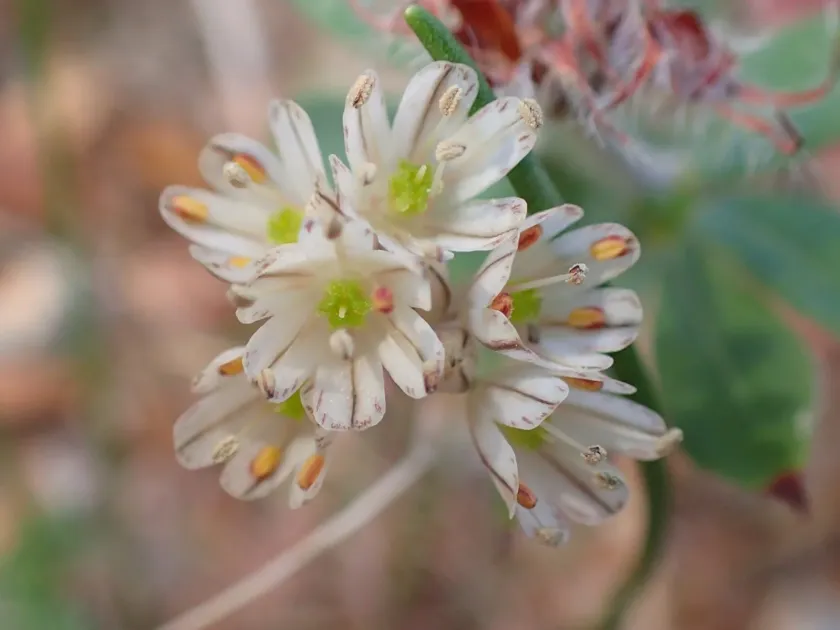
Allium callimischon is a bulbous perennial belonging to the Amaryllidaceae family. It is distinct for its peculiar life cycle, where leaves often appear in autumn, followed by a period of dormancy, and unique flowering patterns in the late season.
Propagation is typically done by seeds or offsets. When sowing seeds, it is recommended to do so in the autumn, allowing a period of cold stratification over the winter months to improve germination rates in the spring.
For planting bulbs, choose a well-draining soil mix. Space the bulbs about 10–15 cm apart to ensure adequate airflow, which is essential to prevent rot during the wetter months of the year.
When container gardening, use a gritty, well-draining potting mix. Ensure that the pot has sufficient drainage holes to prevent the accumulation of moisture, which can quickly lead to bulb decay in this species.
Regular monitoring of the growing site is necessary after sowing. Ensure that young plants are protected from extreme frost and excessive moisture until they establish a robust root system in their first year.
Growing requirements
Native to rocky habitats in Greece and surrounding regions, Allium callimischon thrives in environments that mimic its Mediterranean homeland. It is highly adapted to drought and requires excellent drainage to survive.
The ideal soil is gritty, rocky, and low in organic matter. Avoid heavy, water-retentive soils, as they will cause the bulbs to rot during the plant's dormant summer phase when they require dry conditions.
Full sun is essential for this plant to reach its full potential. While it may tolerate partial shade, insufficient light often results in weak, spindly growth and a significant reduction in flower production.
Climate management is crucial for success. In areas with high rainfall during the dormant season, it is often necessary to provide overhead protection or move the plants to a dry location to prevent moisture-related issues.
Minimal fertilization is required for this species. If needed, a light application of a balanced, low-nitrogen fertilizer early in the growing season can support healthy development without encouraging excessive leaf growth.
Main diseases and pests
Onion flies and thrips are the primary pests that can affect the health of Allium callimischon. Regular inspections of the foliage and bulbs during the active growth period are recommended to catch infestations early.
Fungal diseases, including basal rot and various types of mildews, are common if the plant is subjected to poor drainage or stagnant air. Proper site selection and avoiding overwatering are the most effective preventative measures.
Nematode infestations can lead to stunted growth and yellowing of the leaves. Infected plants should be promptly removed and destroyed to protect the surrounding healthy bulbs from potential spread.
Good garden hygiene, such as removing debris and dead foliage after the growing season, is vital. This practice reduces the hiding places for pests and helps prevent the buildup of fungal spores in the soil.
Fungicidal treatments may be applied preventatively if weather conditions become exceptionally wet and humid. However, focusing on soil structure and drainage remains the most sustainable way to manage potential threats.