
Allium breviradium
Allium breviradium
Description
Growing requirements
Allium breviradium is a distinct species of perennial herbaceous plant belonging to the Amaryllidaceae family. It is primarily found in mountainous regions, where it has evolved to thrive in nutrient-poor, rocky substrates and highly specific climatic conditions associated with alpine ecosystems.
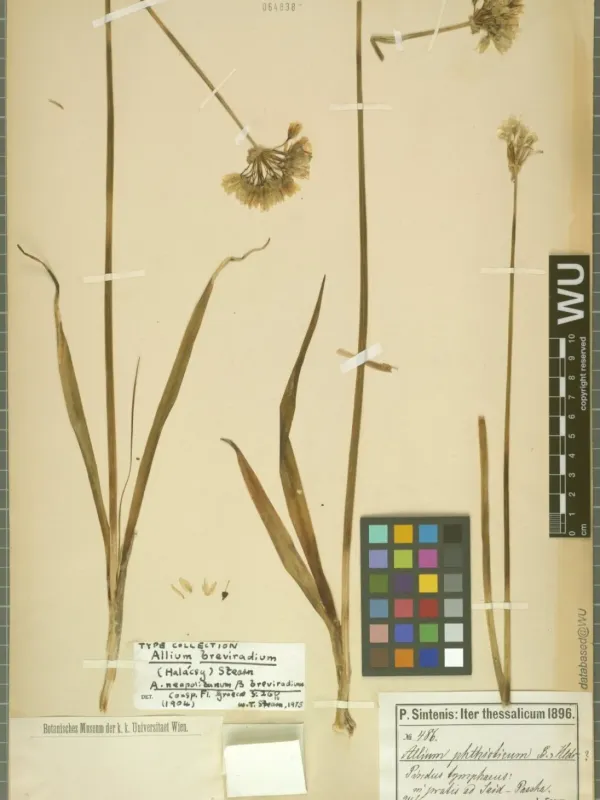
Botanically, the plant is characterized by small, tunicated bulbs and narrow, linear leaves that emerge from the base. It produces a scape bearing a dense, umbel-shaped inflorescence, which is a classic diagnostic feature of the Allium genus, providing a visual focal point during the flowering stage.
Successful cultivation of Allium breviradium requires strict adherence to its ecological needs, primarily full sun exposure. In garden settings, it should be planted in locations that receive direct sunlight for the majority of the day to prevent etiolation and ensure structural integrity.
The soil must provide excellent drainage, as the species is highly sensitive to root rot caused by stagnant water. A mix of sand, grit, and well-decomposed organic matter is recommended, mimicking the rocky slopes of its natural habitat while providing essential support for bulb development.
In terms of agricultural management, Allium breviradium is relatively low-maintenance once established. It is drought-tolerant, requiring irrigation only during prolonged dry spells in the early spring, and it benefits from a period of winter dormancy characterized by cold temperatures.
Main diseases and pests
The primary threats to Allium breviradium are fungal pathogens, specifically those that target the root and bulb tissues in damp conditions. Fungal infections can spread rapidly in poorly drained soil, leading to the collapse of the plant's health and structural viability.
Insect pests such as the onion fly (Delia antiqua) pose a significant risk, as they lay eggs near the base of the plant. The emerging larvae burrow into the bulbs, causing severe damage that often results in the total loss of the specimen if not mitigated by integrated pest management.
Cultural control methods, such as utilizing a layer of gravel or sharp sand around the base of the plant, can act as a deterrent for many ground-dwelling pests. This practice also improves soil aeration and prevents moisture from accumulating directly against the bulb scales.
In cases of infestation or infection, targeted applications of fungicides or insecticides may be necessary to protect the population. However, given the sensitivity of the species, these interventions should be used sparingly and only when symptoms are clearly identified.
Preventative maintenance includes regular monitoring of the foliage for signs of chlorosis or wilting, which can indicate stress. Maintaining a hygienic growing environment by removing debris and weeds helps minimize the risk of pathogen transmission within the planting area.