
Baetic onion
Allium baeticum
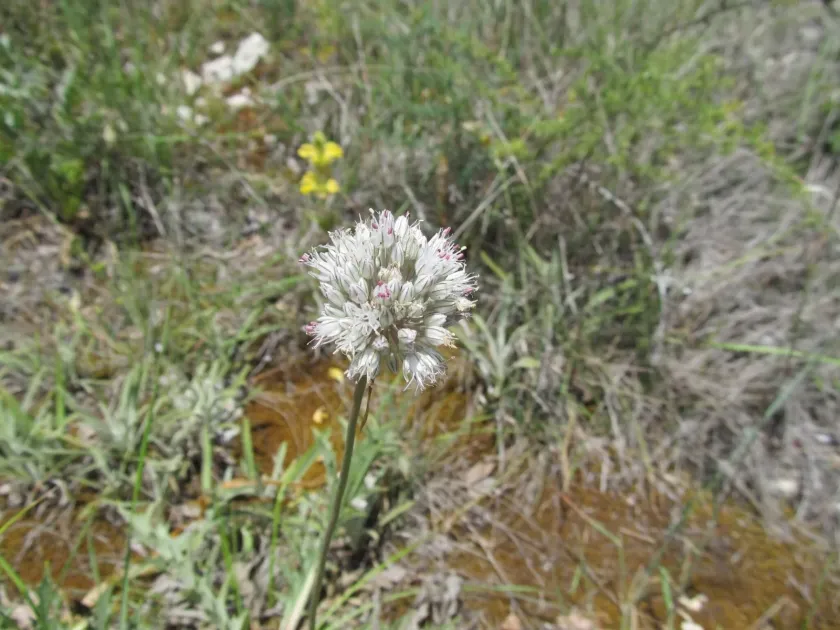
Description
Sowing dates
The Baetic onion (Allium baeticum) is a perennial bulbous plant belonging to the Amaryllidaceae family. In its natural habitat, it spreads through seed dispersal and vegetative division of bulbs.
Sowing should ideally occur in the autumn to mimic natural cycles, allowing seeds to experience cold stratification. If sowing in the spring, seeds must be kept in a cool environment for several weeks prior.
Vegetative propagation is achieved by separating offsets from the mother bulb during the dormant period. This method ensures that the young plants inherit all the characteristics of the parent.
Planting depth should be approximately twice the size of the bulb. Ensuring proper spacing is crucial to allow enough room for natural vegetative expansion.
Optimal germination requires consistent but moderate soil moisture. Avoid waterlogging at all costs, as the seeds and bulbs of Allium baeticum are prone to rotting in damp environments.
Growing requirements
This species thrives in full sun exposure. It is highly adapted to Mediterranean climates, meaning it requires intense light to develop robust foliage and successful flowering stalks.
The soil must be well-drained and gritty. Heavy, compact soils will impede root development and promote fungal decay, which is the primary cause of failure for this species.
Watering needs are minimal. The plant is drought-tolerant once established, requiring irrigation only during active spring growth or in cases of severe, prolonged drought.
Allium baeticum is suitable for rocky gardens or well-drained borders. It does not tolerate competitive planting with deep-rooted, aggressive weed species.
Nutrient requirements are low. A light application of low-nitrogen, high-potassium fertilizer in early spring can assist in bulb maturation but should be used sparingly.
Main diseases and pests
Fungal pathogens are the biggest threat to this species. Botrytis and various forms of root rot often develop if the drainage is insufficient or if humidity remains too high for extended periods.
Pests such as onion flies and bulb mites can cause significant damage. Maintaining clean planting beds and ensuring good airflow between plants helps to reduce pest incidence.
Damage to the bulb exterior during weeding can facilitate the entry of soil-borne bacteria. Hand weeding is recommended to avoid accidental mechanical injury to the bulbs.
Monitoring for discoloration on the foliage is essential. Any signs of necrosis or wilting should be addressed immediately by inspecting the bulb for potential rot.
Sanitation practices are vital. All dead foliage should be removed at the end of the season to prevent the buildup of inoculum for future fungal infections.