
Dark-purple onion
Allium atroviolaceum
Description
Sowing dates
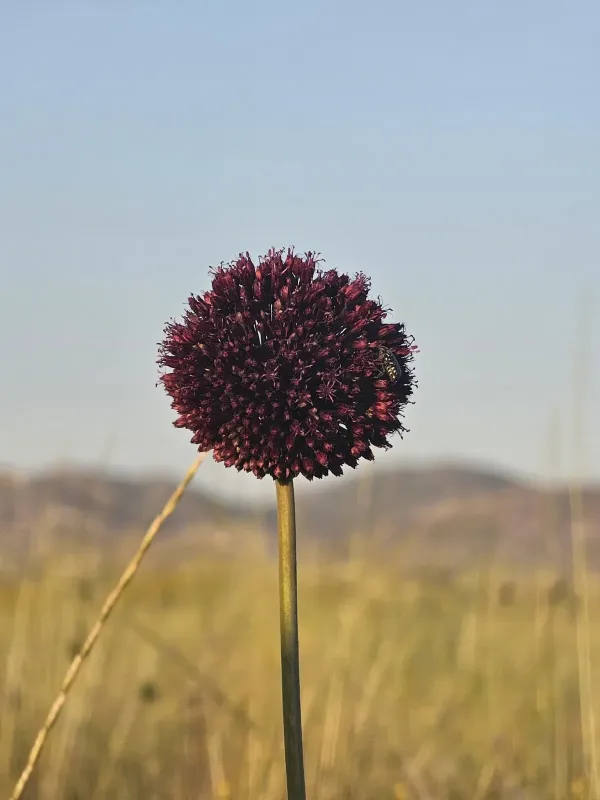
Dark-purple onion (Allium atroviolaceum) is a perennial herbaceous plant belonging to the Amaryllidaceae family. It is recognized for its striking dark purple inflorescences and is often cultivated in both botanical collections and specialized agricultural gardens.
Propagation is primarily achieved through seeds or the separation of daughter bulbs. When using seeds, they are typically sown in well-prepared soil in late autumn, allowing for natural stratification during the winter months.
For bulb propagation, planting occurs in the late summer or early autumn. The bulbs should be placed at a depth of approximately 5 to 8 centimeters, depending on their size, ensuring the root plate is positioned downwards.
Row spacing is essential for plant health; a distance of at least 20-30 centimeters between rows prevents overcrowding and ensures that each plant receives adequate access to nutrients and light throughout the growing season.
Proper moisture management immediately after sowing is critical for germination. Once established, the plant becomes relatively drought-tolerant, though consistent watering during the initial growth phase significantly improves overall biomass production.
Growing requirements
Allium atroviolaceum thrives in open, sunny locations. Full solar exposure is essential for maintaining the characteristic deep color of the blooms and ensuring the proper development of the underground storage organs.
The soil should be light, well-draining, and rich in organic matter. Sandy or loamy soils with a near-neutral pH are ideal, as they prevent water stagnation which can lead to bulb rot in poorly aerated environments.
Good drainage is the most vital requirement for this crop. In areas with high rainfall, gardeners should create raised beds or incorporate gravel into the planting substrate to improve water permeability.
The plant is hardy and adapted to temperate climates. It exhibits high resistance to cold temperatures during the dormant season, provided the soil remains free of excessive standing water that could freeze and damage the bulb.
Fertilization with balanced mineral fertilizers, focusing on potassium and phosphorus, supports root development and flower production. Avoid excessive nitrogen, which can lead to soft tissue development and increased susceptibility to diseases.
Main diseases and pests
The primary threats to this species include fungal pathogens, such as white rot and basal rot, which thrive in damp, stagnant conditions. These infections often originate in the soil or through contaminated planting material.
Pests like onion flies (Delia antiqua) can cause significant damage to the bulb tissue. Integrated pest management, including crop rotation and the use of physical barriers, is recommended to mitigate these risks effectively.
Thrips may also pose a threat during hot and dry weather conditions, feeding on the foliage and reducing the plant's ability to photosynthesize. Regular inspection of the leaves allows for early detection and targeted intervention.
Preventive measures include treating seeds or bulbs before planting with appropriate fungicides and ensuring that only healthy, undamaged bulbs are selected for propagation to prevent the spread of diseases.
Weed control is essential during the early development stages. Weeds compete for nutrients and light, and they can also act as reservoirs for various pests and diseases that affect onion crops.
Harvesting
Harvesting is typically performed once the foliage has turned yellow and withered naturally. This indicates that the plant has ceased active growth and that the bulb is fully matured for storage.
The bulbs should be lifted from the soil carefully using a garden fork to avoid damaging the outer papery layers. Any mechanical damage during harvest significantly reduces the longevity of the bulbs in storage.
After lifting, the bulbs require a curing period of several days in a shaded, well-ventilated area. This process allows the neck of the bulb to dry out completely, which is crucial for preventing fungal decay.
For storage, bulbs should be placed in crates or mesh bags in a cool, dark, and dry room. Maintaining a temperature between +2 and +5 degrees Celsius ensures that the bulbs remain in a state of dormancy until needed.
The utilization of the harvested bulbs is twofold: they serve as attractive components in landscape design due to their aesthetic appeal and can be used in specialized culinary contexts where a sharp, onion-like flavor is desired.