
Dark purple onion
Allium atropurpureum
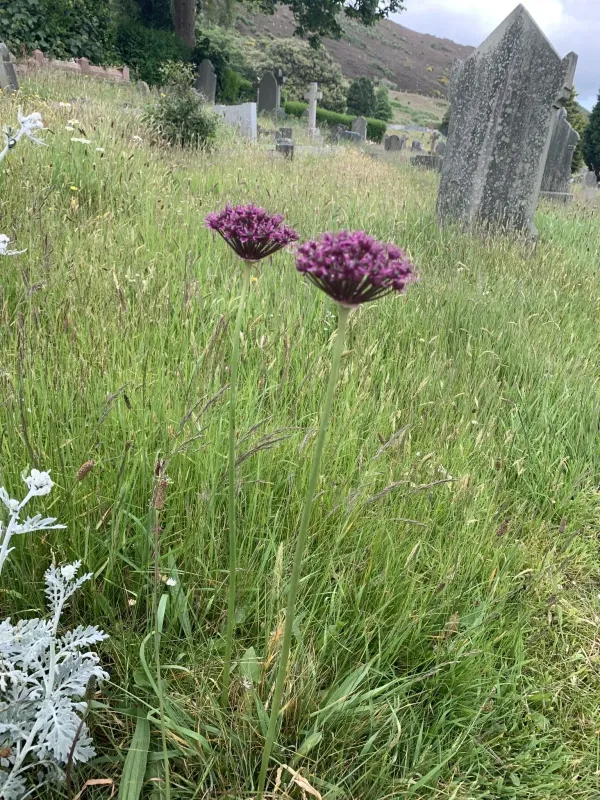
Description
Sowing dates
Allium atropurpureum, commonly known as the dark purple onion, is a perennial flowering plant belonging to the Amaryllidaceae family. Native to Southeastern Europe, this species is highly regarded for its striking, deep-purple, nearly black globe-shaped inflorescences.
The optimal planting time for this ornamental onion is during the autumn, typically from September to October. Planting at this time allows the bulbs to establish their root system before the onset of winter dormancy.
Bulbs should be planted at a depth approximately three times their diameter. This ensures sufficient protection from frost while allowing the shoot to emerge efficiently when spring temperatures rise.
While the plant can be grown from seeds, it is a slow process that requires patience, as it often takes three to four years for the plant to produce its first flower. Most gardeners prefer using offsets for faster results.
The plant features long, strap-like leaves that usually begin to wither just as the flowers bloom. This biological cycle is typical for many bulbous species and should be considered when planning companion plantings.
Growing requirements
This species thrives in sunny locations with well-drained soil. It is particularly intolerant of waterlogged conditions, which can quickly lead to fungal infection and bulb rot, especially during the dormant season.
Soil type should ideally be light, sandy, or loamy, with a neutral to slightly alkaline pH. If the soil is heavy or clay-based, adding organic matter or grit is necessary to improve drainage and aeration.
Watering requirements are moderate. During the active growing period in spring, ensure the soil remains moist. However, once the foliage begins to yellow and the plant enters dormancy, supplemental watering should be discontinued.
Fertilization is best performed in early spring as new growth appears. A balanced, slow-release fertilizer or a light dressing of well-rotted compost provides the necessary nutrients for robust flower production.
Clumps of the dark purple onion should be divided every four to five years. This practice prevents overcrowding, ensures the bulbs receive adequate nutrients, and maintains the quality of the blooms over time.
Main diseases and pests
Fungal diseases are the most significant threat to Allium atropurpureum. Downy mildew and various types of rot are common if the plants are situated in areas with poor airflow or stagnant water.
Pests such as onion flies and mites can damage the bulbs and stems. Regular monitoring of the foliage and preventive treatments with appropriate insecticides are essential for maintaining plant health.
In regions with high pest pressure, it is recommended to soak bulbs in a fungicide solution before planting. This simple step can prevent the introduction of pathogens into the garden bed.
Avoid planting the dark purple onion in soil where other Allium species have been grown recently, as this increases the risk of soil-borne diseases and nematode infestations common to the genus.
Proper spacing is key to disease prevention. By ensuring adequate airflow between individual plants, the humidity levels around the foliage are reduced, which significantly lowers the risk of mildew development.