
Allium anisopodium
Allium anisopodium
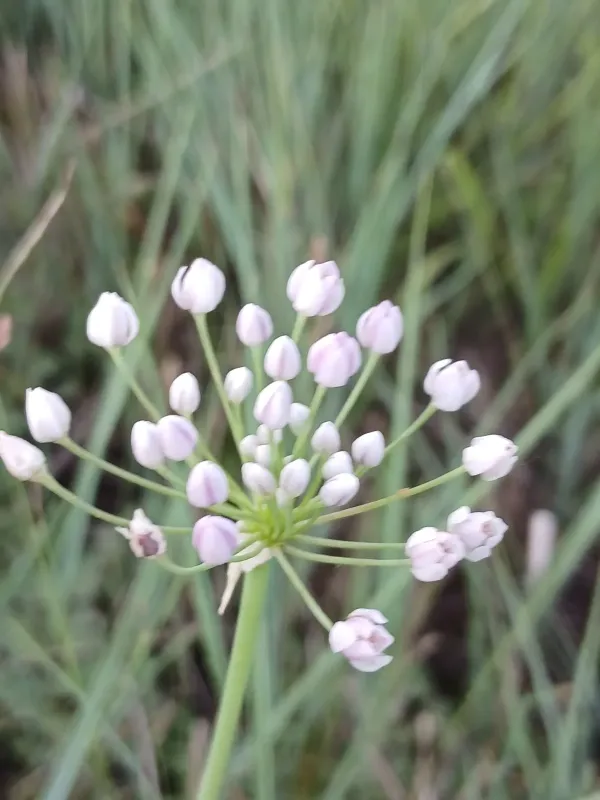
Description
Sowing dates
Allium anisopodium is a member of the Amaryllidaceae family, widely distributed across parts of East Asia. This species is often harvested in the wild, but its potential as a specialized garden crop is increasingly recognized by agriculturalists.
Seed sowing is typically performed in late autumn or early spring to take advantage of natural cooling cycles. Seeds require a cool period for successful stratification, which helps ensure uniform germination once spring temperatures rise above 10 degrees Celsius.
The seeds should be sown at a shallow depth of approximately 1.5 cm into well-prepared, loose soil. Because the seeds are small, it is essential to ensure they have excellent contact with the soil to promote efficient moisture absorption.
For optimal growth, row spacing should be set at 20–25 cm. This configuration allows for easy access for weeding and ensures that each plant receives enough sunlight to develop a robust root system and a firm, small bulb.
During the early establishment phase, keeping the area free from invasive grasses is crucial. As the seedlings develop, they show remarkable resilience, though they still benefit from consistent care in their first year of cultivation.
Growing requirements
This crop is highly adapted to arid and semi-arid conditions. It thrives in full sun and requires a site with minimal shade, as even partial shade can lead to stunted growth and lower nutrient density within the plant tissues.
Soil requirements focus primarily on drainage. The species naturally occurs in gravelly or sandy substrates and will struggle in heavy clay soils where moisture retention is high. A neutral or slightly alkaline pH is optimal for nutrient uptake.
Temperature tolerance is a hallmark of this species, as it is accustomed to continental climates with cold winters and hot summers. The plants are winter-hardy and can withstand significant frost during their dormant period.
Water requirements are relatively low compared to standard bulb crops. While moisture is necessary for initial growth, the plants are highly drought-tolerant once established, making them suitable for low-input agricultural systems.
Fertilization should be applied sparingly, with a preference for well-balanced organic matter or low-nitrogen mineral fertilizers. Excessive fertilization often leads to succulent growth that is more susceptible to environmental stress and pests.
Main diseases and pests
Pest management for Allium anisopodium primarily involves monitoring for typical bulb-attacking insects such as onion maggots. These larvae pose the greatest threat to the subterranean bulbs and must be managed proactively.
Fungal pathogens are largely mitigated by maintaining dry soil conditions around the bulbs. Root rot is a common issue only in cases where the soil is allowed to become waterlogged during the warmer periods of the growing season.
Weed competition is a significant threat, particularly in the seedling stage. Using a shallow cultivation method is recommended to avoid damaging the shallow-rooted bulbs while removing weeds that compete for light and nutrients.
In high-humidity environments, there is a risk of downy mildew. Providing adequate spacing between plants to encourage air movement across the leaves is the most effective cultural method to reduce the incidence of this disease.
Biological controls or intercropping with companion plants that repel harmful insects can provide a sustainable way to manage threats. Rotating the crop location each season is a mandatory practice for maintaining long-term soil health.