
Mouse garlic
Allium angulosum
Description
Sowing dates
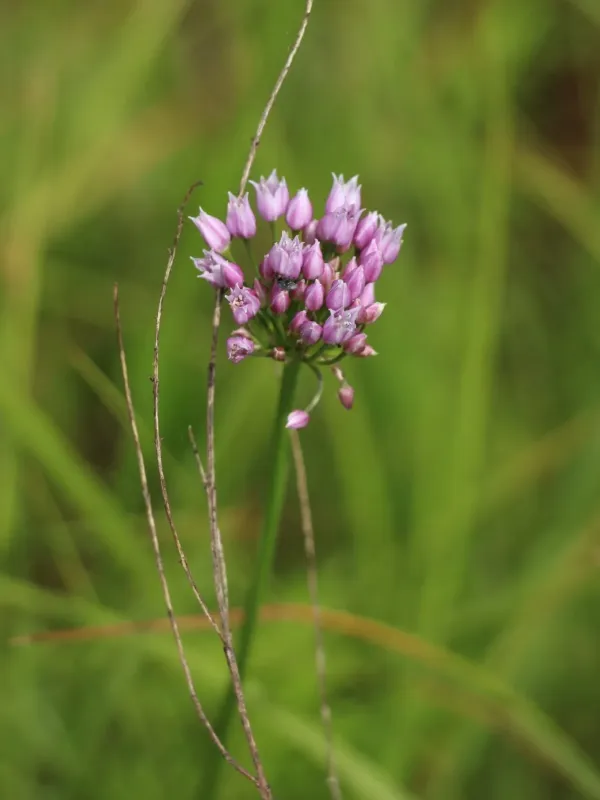
Mouse garlic, scientifically known as Allium angulosum, belongs to the Amaryllidaceae family and is a robust perennial herb often used in cultivation.
Seeds should be sown in prepared open ground during the early spring or late autumn, providing sufficient soil contact for germination.
The optimal planting depth is approximately 1 centimeter, ensuring that the seeds are covered with light, friable soil to retain moisture.
Vegetative propagation via root division is a highly effective method, performed ideally in early spring or late summer to encourage rapid establishment.
Maintaining a row spacing of 25–30 centimeters facilitates better airflow and simplifies the maintenance of the crop throughout the growing season.
Growing requirements
This species thrives in sunny locations but displays remarkable adaptability to partial shade, making it a versatile plant for diverse garden environments.
Rich, well-draining soils with a neutral or slightly acidic pH level are ideal for maximizing the growth and nutritional quality of the foliage.
Allium angulosum is known for its excellent winter hardiness and drought tolerance, which reduces the need for extensive irrigation systems.
Proper water management is essential; while the plant requires consistent moisture, excessive stagnation can lead to root rot and diminished plant vigor.
Regular weeding and soil aeration around the base of the plant promote healthy root development and increase the overall yield of green leaves.
Yield
The yield of mouse garlic depends heavily on the fertility of the soil and the frequency of fertilizer applications provided during the vegetative phase.
Under intensive cultivation practices, producers can expect multiple harvests of fresh leaves throughout the summer months without exhausting the plant.
Average yield expectations range between 1.5 to 2 kilograms per square meter, depending on the age of the plantation and local climate conditions.
Organic soil amendments, including compost or well-rotted manure, play a significant role in improving the mass and flavor profile of the harvested greens.
Productive lifespan of a patch typically lasts up to 7 years, after which the plants should be divided and relocated to maintain high yield standards.
Main diseases and pests
Common agricultural threats include the onion fly and various aphid species, which can cause significant damage to the leaf structure if not managed.
Fungal diseases, such as downy mildew, occur primarily in environments with high humidity levels and poor ventilation between individual plants.
Strategic crop rotation and avoiding overly dense planting are the primary methods for preventing the spread of soil-borne and airborne pathogens.
Integrated pest management, involving beneficial insects or organic sprays, helps maintain the health of the crop while ensuring consumer safety.
Frequent monitoring of leaf coloration and texture allows for early intervention, preventing localized infestations from becoming widespread field problems.
Harvesting
Harvesting is performed by carefully cutting the leaves at least 3–5 centimeters above the soil line to preserve the plant's central growing point.
The fresh greens are best consumed shortly after harvest, though they can be preserved via freezing or drying for culinary use throughout the year.
Drying should take place in a shaded, well-ventilated area to ensure that the essential oils and vitamins are retained within the plant tissues.
It is recommended to stop harvesting in early autumn to allow the plants to accumulate sufficient carbohydrates in their roots for winter survival.
When handling the harvest, care should be taken to keep the root systems undisturbed, as this ensures the plant remains vigorous for future seasons.