
Narrowleaf onion
Allium amplectens
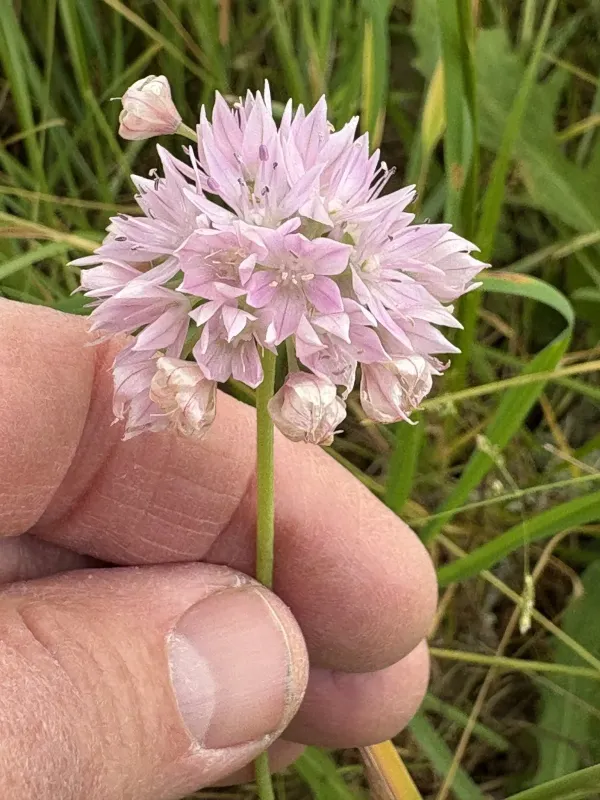
Description
Sowing dates
Allium amplectens is typically sown during the autumn season, which allows for the natural stratification necessary for optimal germination. Sowing should ideally occur between September and October when soil temperatures begin to drop.
For spring sowing, seeds must be subjected to artificial cold stratification in a refrigerator for approximately 4 to 6 weeks. This mimics winter conditions and breaks seed dormancy effectively.
Seeds should be planted in a loose, well-draining substrate at a depth of no more than 1 cm. Consistent moisture is required during the germination phase to ensure the development of a healthy root system.
Vegetative propagation via offsets is also common. The bulbils should be separated from the parent bulb during the summer dormancy period, once the foliage has completely yellowed and withered.
When sowing, provide adequate spacing to ensure proper air circulation, as overcrowding can lead to excessive moisture accumulation and potential fungal issues during the early growth stages.
Growing requirements
This species belongs to the Amaryllidaceae family and is native to the western regions of North America. It thrives in open, sunny locations with exposure to direct, full sunlight throughout the day.
The plant requires well-draining soil, ideally of a sandy or loam texture. It is highly intolerant of heavy clay soils that retain moisture, as these conditions frequently lead to bulb rot.
Moderate soil fertility is sufficient, and the plant is generally well-adapted to neutral or slightly alkaline conditions. Excessive nitrogen fertilization should be avoided as it encourages leafy growth at the expense of floral development.
Adequate drainage is the most critical factor for success. In native habitats, the plant undergoes a distinct dry period during the summer, and it is essential to replicate this cycle by reducing irrigation after flowering.
While hardy, the plant benefits from a light layer of mulch in regions with harsh winters. This protects the bulbs from extreme ground frost while allowing for natural drainage around the crown.
Main diseases and pests
Fungal diseases, particularly those affecting the root system, represent the primary threat to Allium amplectens. Root and bulb rot are most commonly caused by improper irrigation or waterlogged soil conditions.
Onion flies and other bulb-feeding insects can cause significant damage to young plants. Early detection and the use of appropriate insecticides are recommended to maintain plant health throughout the season.
Nematodes may also infest the plant, causing stunted growth and poor vitality. Implementing strict crop rotation practices and ensuring the use of certified, disease-free planting material is essential for control.
Slugs and snails can pose a threat to young, tender foliage during wet spring weather. Physical barriers or eco-friendly baits are effective methods for controlling these pests without damaging the plants.
Should rust or other leaf spot diseases appear, remove the infected foliage immediately. Applying targeted fungicides can help contain the spread of these pathogens across the garden bed.
Harvesting
Seed harvesting should be performed once the seed capsules have fully dried and turned a light brown color. Careful timing is required to prevent the capsules from dehiscing and losing seeds in the soil.
Bulbs meant for propagation should be harvested only after the foliage has completely died back, signaling the onset of the dormant phase. This ensures that the bulbs contain sufficient nutrient reserves for the following season.
After extraction from the soil, bulbs should be cleaned of debris and cured in a shaded, well-ventilated area. Avoid direct sunlight during the curing process, as this may cause skin cracking and internal desiccation.
Store cured bulbs in a cool, dry environment with good airflow, such as paper bags or open trays. Stable temperatures around 15–18°C are ideal for keeping the bulbs dormant until the next planting cycle.
Thorough inspection of the harvested bulbs is necessary to remove any damaged or symptomatic specimens, ensuring that only healthy material is kept for replanting purposes.